




Philippa BrückHow close they are to the starlit sky
Philippa BrückHow close they are to the starlit sky
Philippa Brück, born in 1993, lives and works in Leipzig. From 2013 to 2017, she studied Theatre Painting at the Dresden University of Fine Arts. She continued her studies in Illustration, with a focus on Painting, at the Hamburg University of Applied Sciences under Professor Christian Hahn.
A porcelain horse, an iridescent shell, the leaf of a rare plant: in a Wunderkammer, they might once have been placed side by side. Not because they belonged together, but because their proximity created a relationship that had not existed before. The sense of wonder lay not in the objects alone, but in the possibility of seeing them anew.
Something similar occurs in Philippa Brück’s paintings. Animal and plant forms, organic structures, and ornamental elements encounter one another within landscapes that do not so much depict an external world as make an inner one visible. Things shed their familiar contexts without entirely relinquishing their origins. An animal may be at once a figure and a memory, a shell both an object and a vessel for an idea. Brück’s paintings inhabit the place where perception and memory, reality and imagination, merge.
Nature in her work is therefore not an untouched realm set apart from us. It is already permeated by human images, desires, and longings. This becomes particularly apparent in the porcelain figurines that serve as the source for many of her motifs. As decorative objects, they embody a tamed, idealised version of nature created to be looked at, possessed, and collected.
Brück removes them from this order; within her paintings, they become beings inhabiting a hyper-aestheticised, more elusive landscape. Their pearlescent surfaces and luminous colours draw the eye, while something remains uncertain and concealed.
For the exhibition, Brück’s collection, assembled over many years, enters the space. Alongside the paintings, we encounter the very artefacts the artist has collected and translated into her pictorial world. Some reappear within the paintings, while others have left only traces. What appears transformed in the image reveals its original form here. Yet the course of this metamorphosis cannot be retraced: the objects explain the paintings no more than the paintings explain the objects. It is only through their proximity that a space for association emerges.
Nothing remains entirely itself. This motif of change and transformation also appears in the subtle mythological references that run through Brück’s pictorial worlds. Orpheus, whose song sets nature in motion, is quietly evoked, as are Ovid’s “Metamorphoses”: humans, gods, and nymphs become plants, animals, or constellations; those who are pursued assume other forms, and hunters become the hunted. In Brück’s work, such transformations appear almost in passing. They emerge in individual figures or pictorial details, sometimes revealing themselves only through a title.
Thus, things are never quite what they seem. A porcelain figurine remains a porcelain figurine and yet becomes something else. A shell remains a shell, while also carrying within it something that points beyond its material form. Between object and idea, nature and image, origin and transformation, a liminal space emerges, one that spins its own stories.
Text by Isabella Engelhardt
Works
-
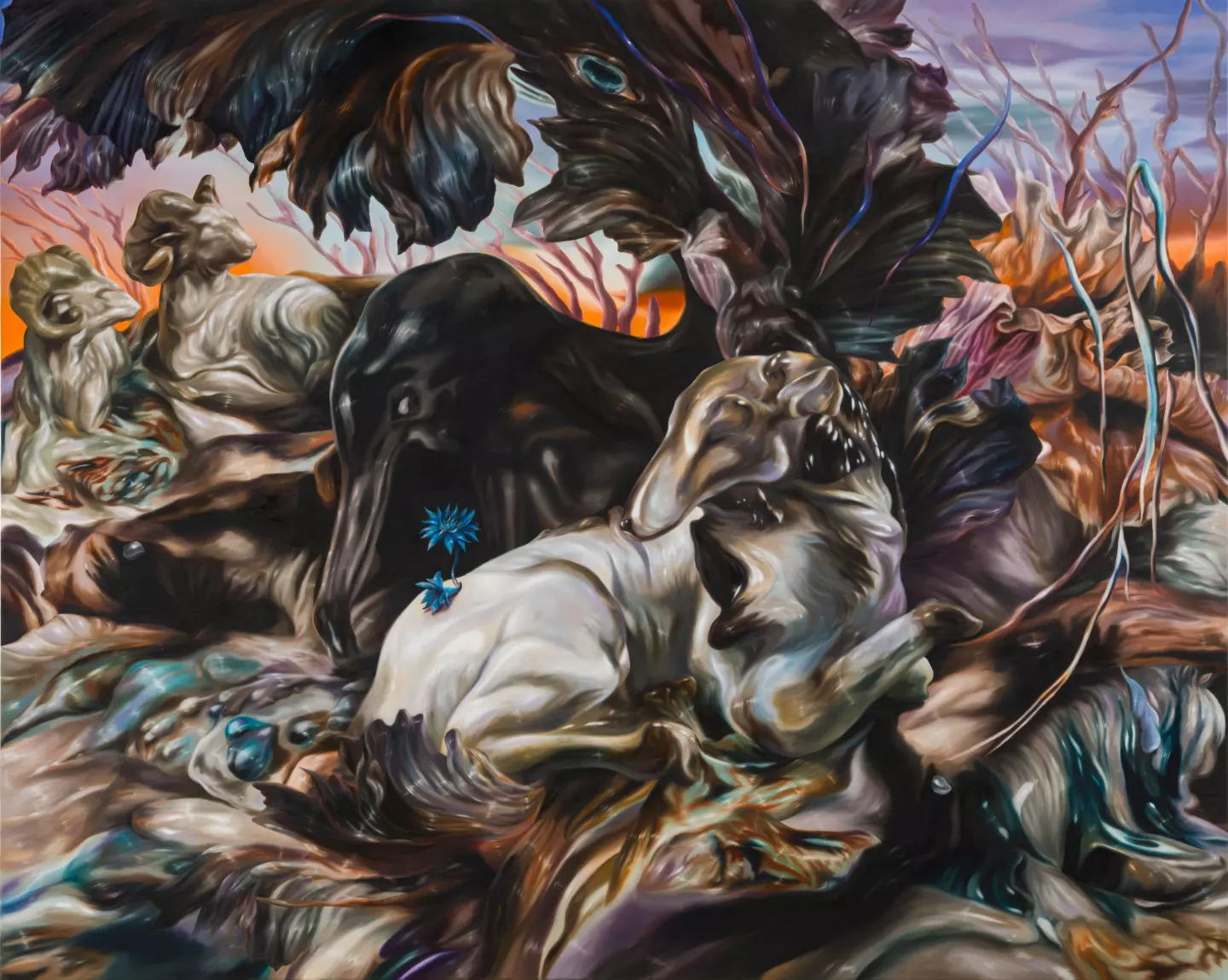 Philippa Brück, May the beasts stay idle, 2025, Oil on canvas, 160 × 200 cm
 -
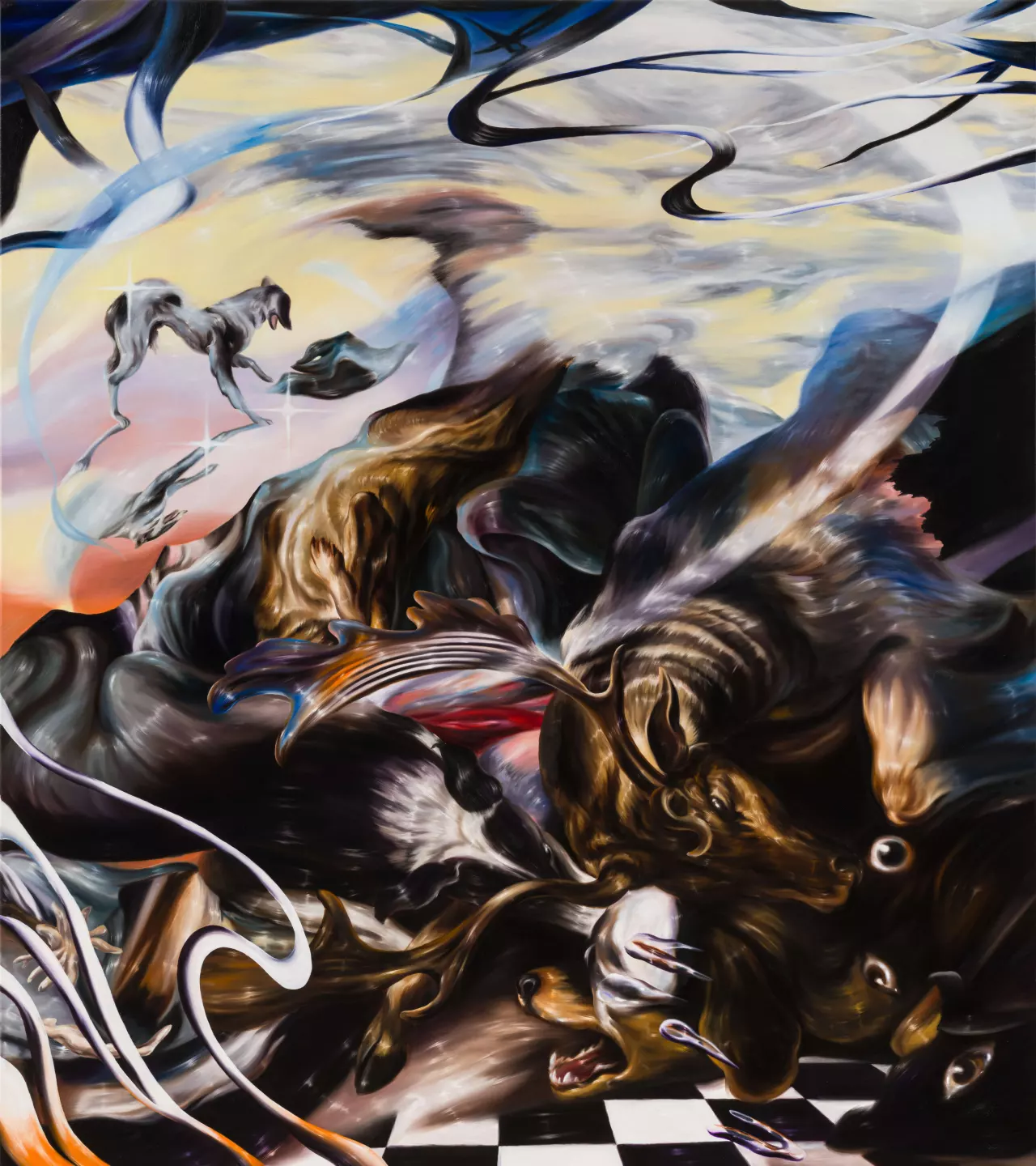 Philippa Brück, Reversal of fortune, 2026, Oil on canvas, 180 × 160 cm
 -
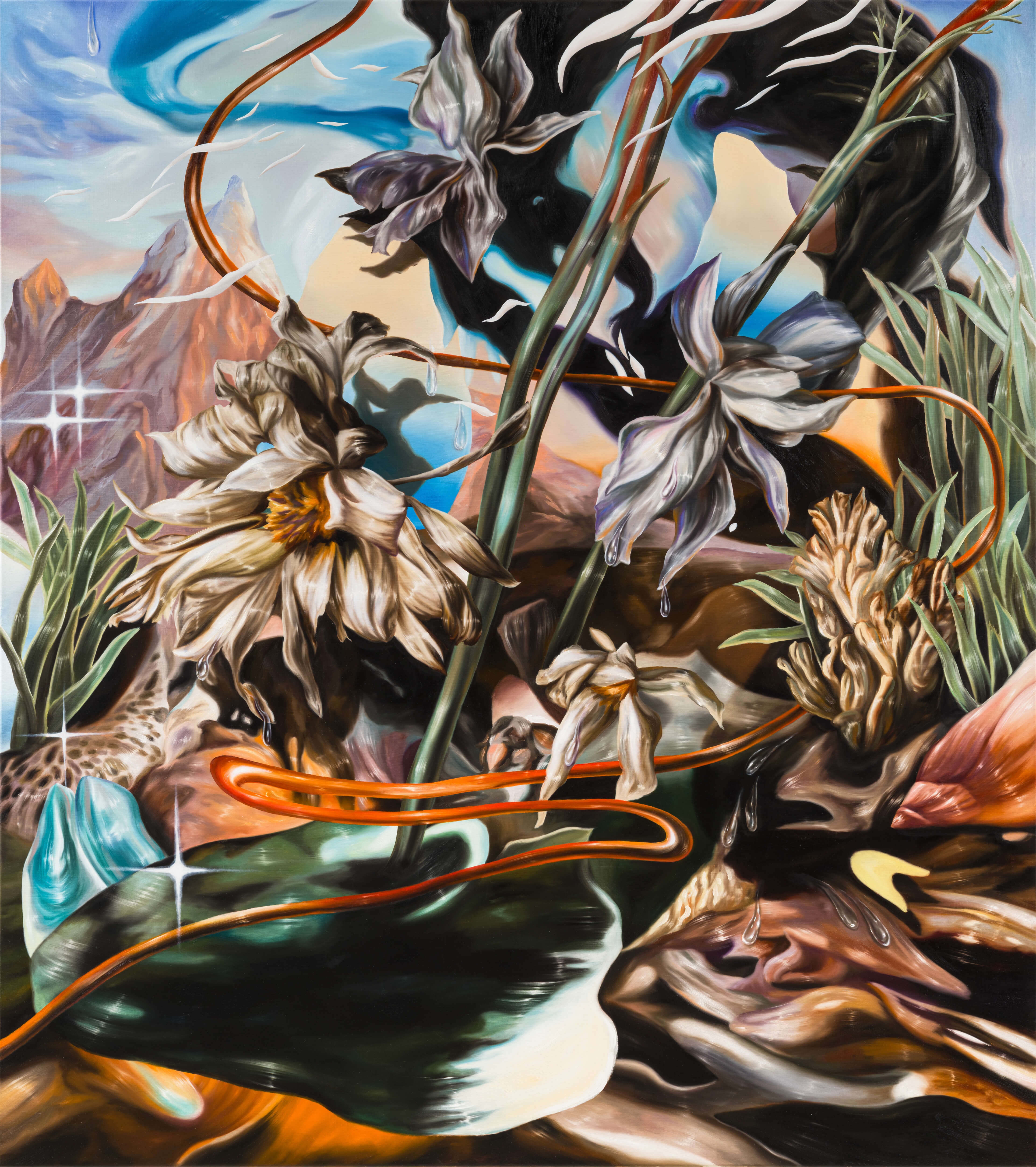 Philippa Brück, Softlands, 2026, Oil on canvas, 180 × 160 cm
 -
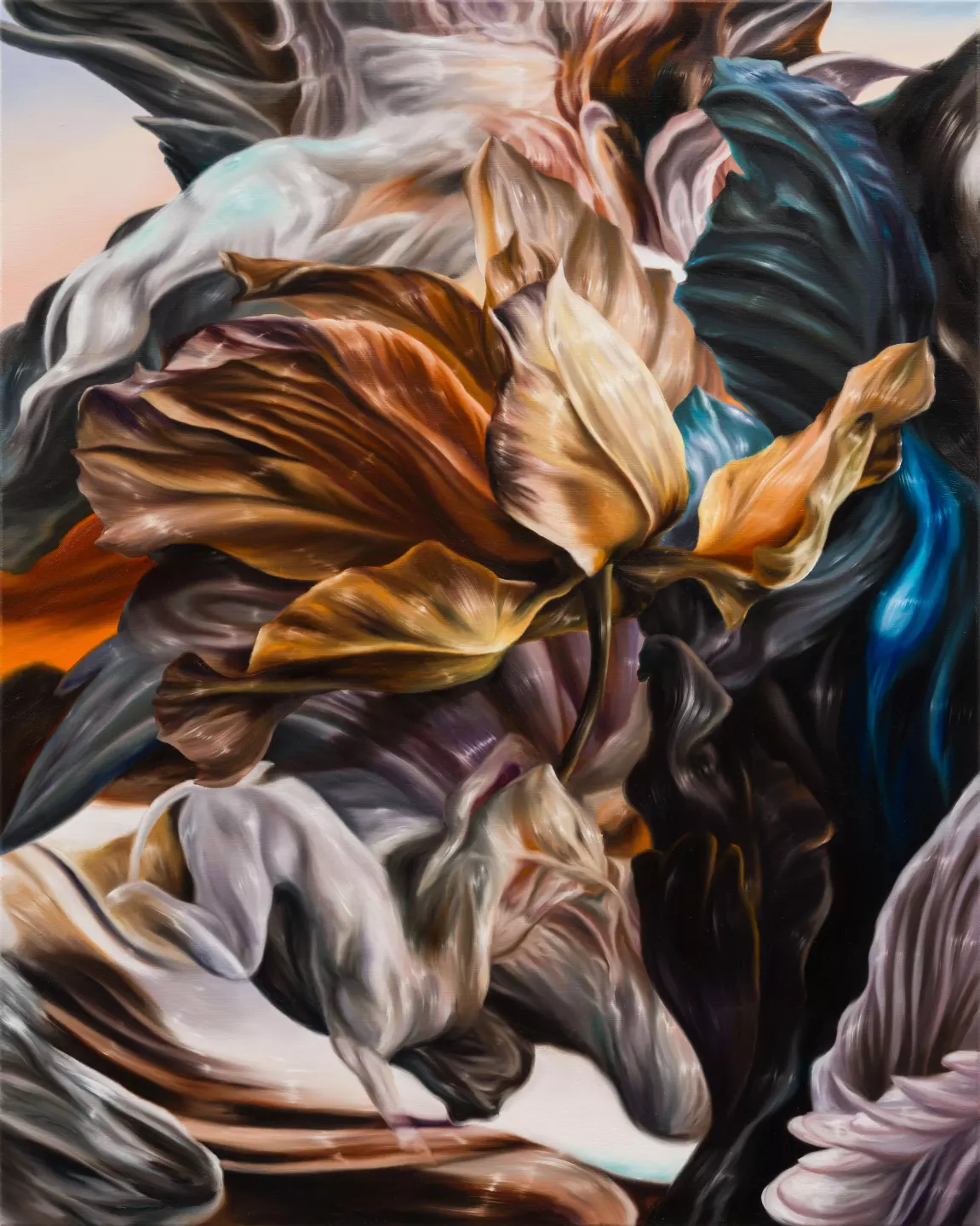 Philippa Brück, Joys we caress, 2026, Oil on canvas, 100 × 80 cm
 -
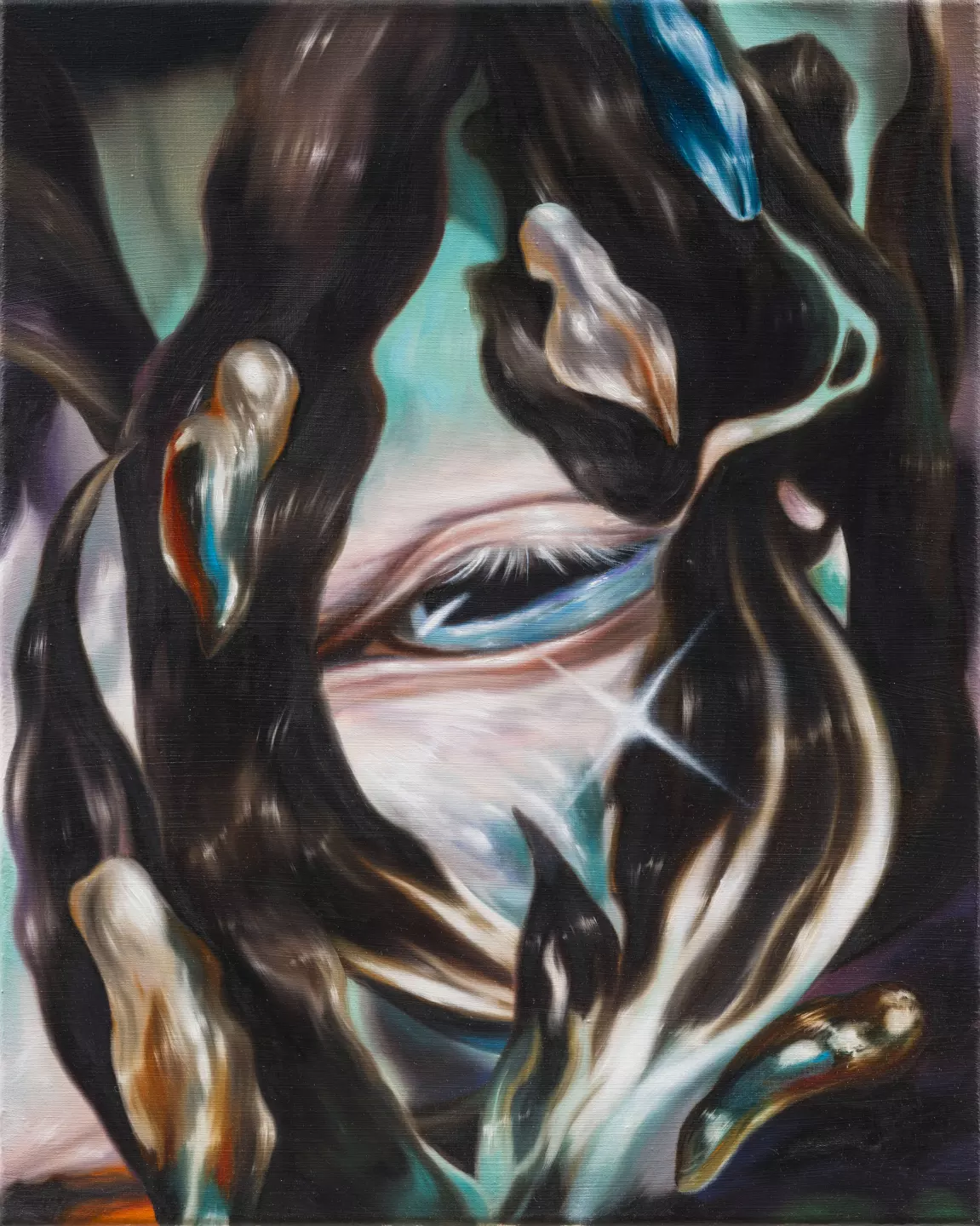 Philippa Brück, Lovelights, 2026, Oil on canvas, 50 × 40 cm
 -
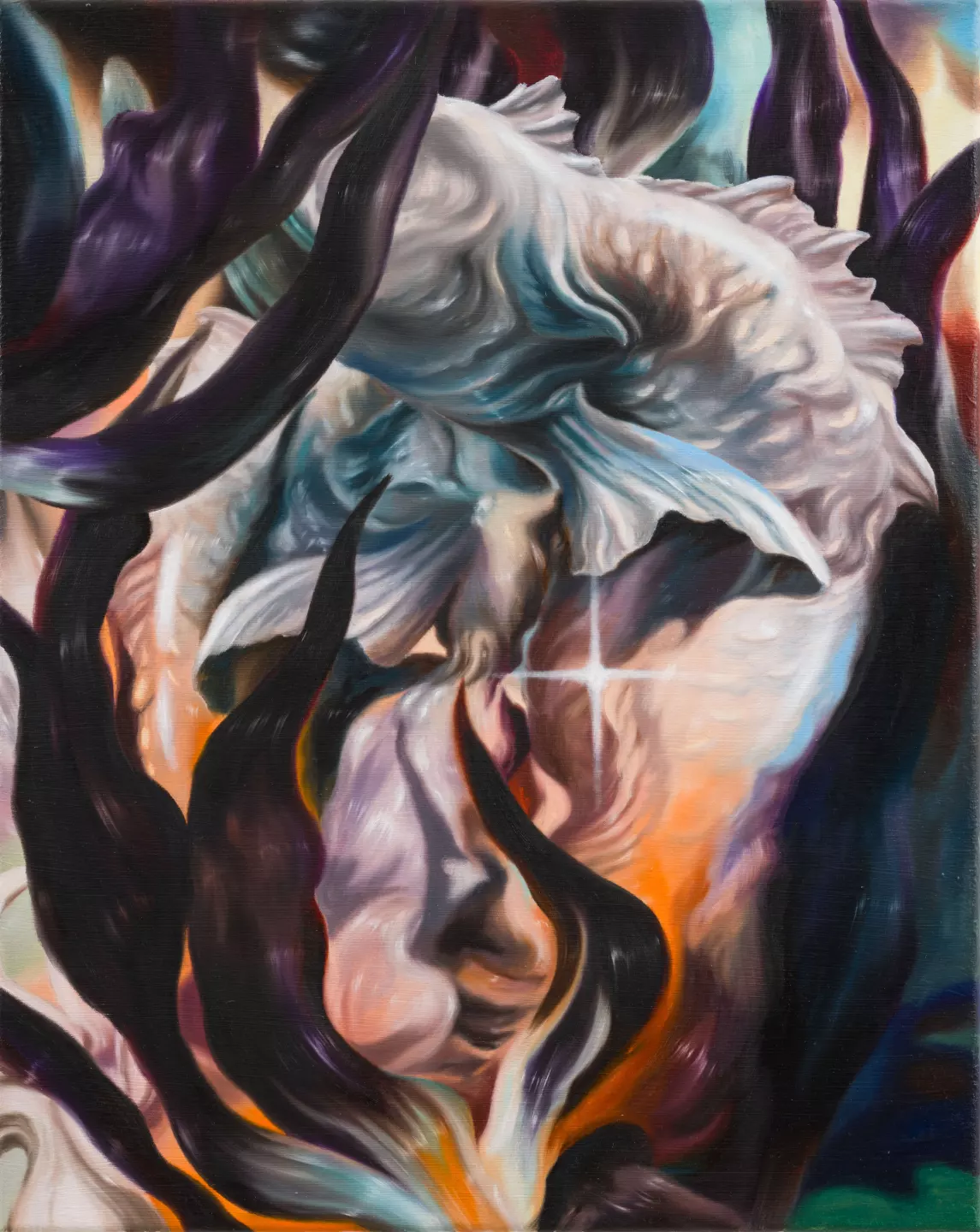 Philippa Brück, You and I, unspoken, 2025, Oil on canvas, 50 × 40 cm
 -
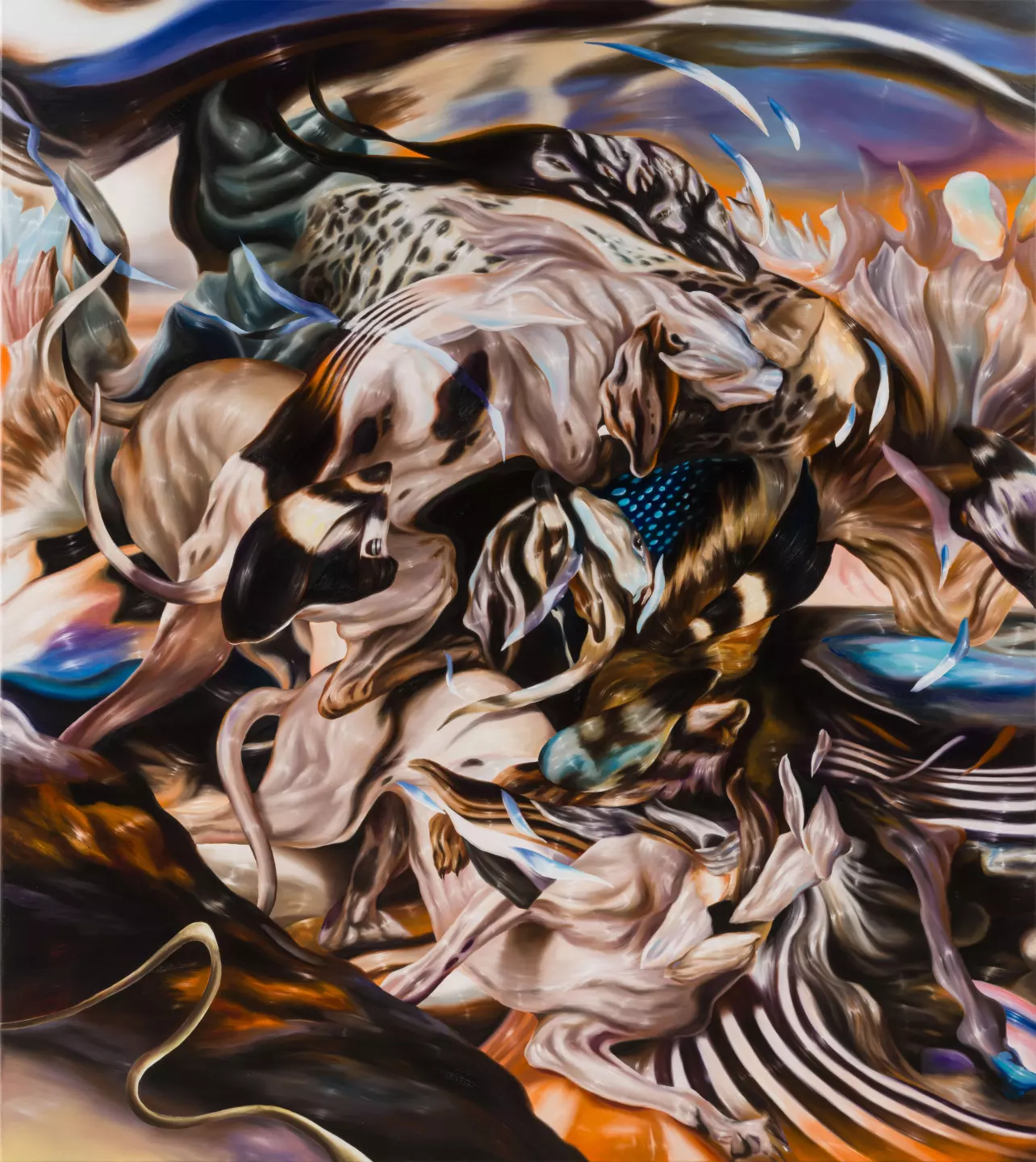 Philippa Brück, Joyful Agony, 2026, Oil on canvas, 180 × 160 cm
 -
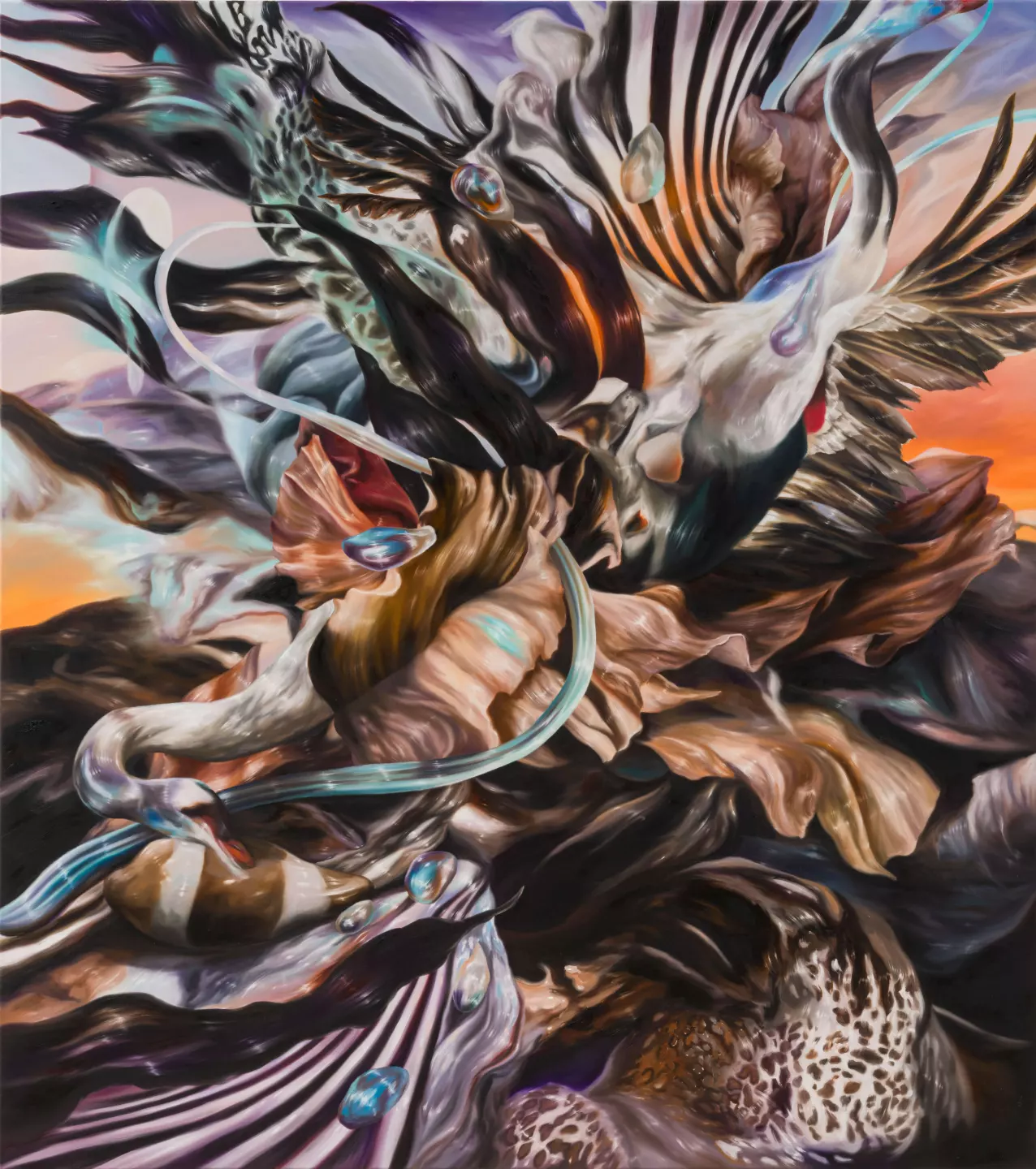 Philippa Brück, Clear softness in our hymns, 2026, Oil on canvas, 180 × 160 cm
 -
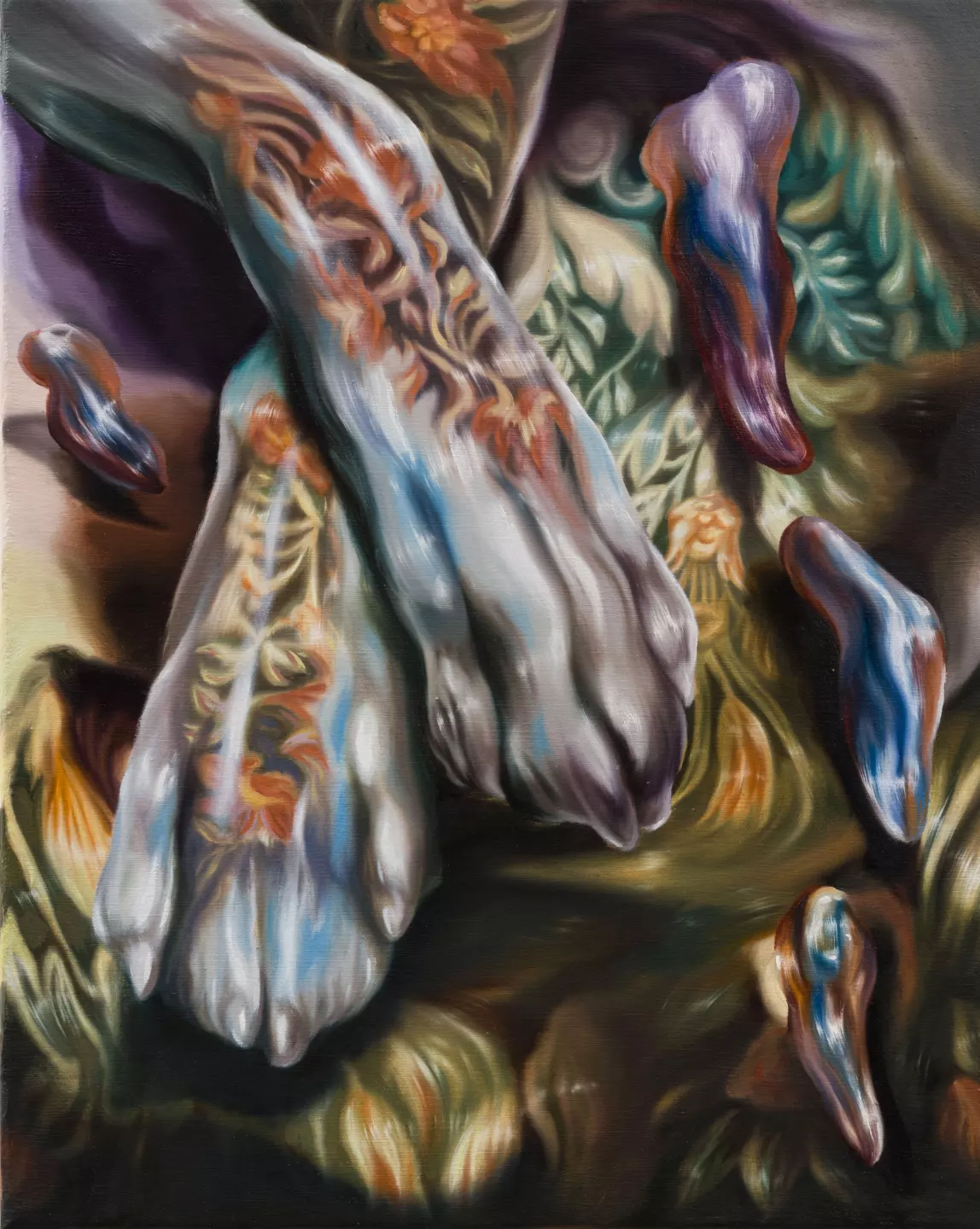 Philippa Brück, A smoldering glow, 2026, Oil on canvas, 50 × 40 cm
 -
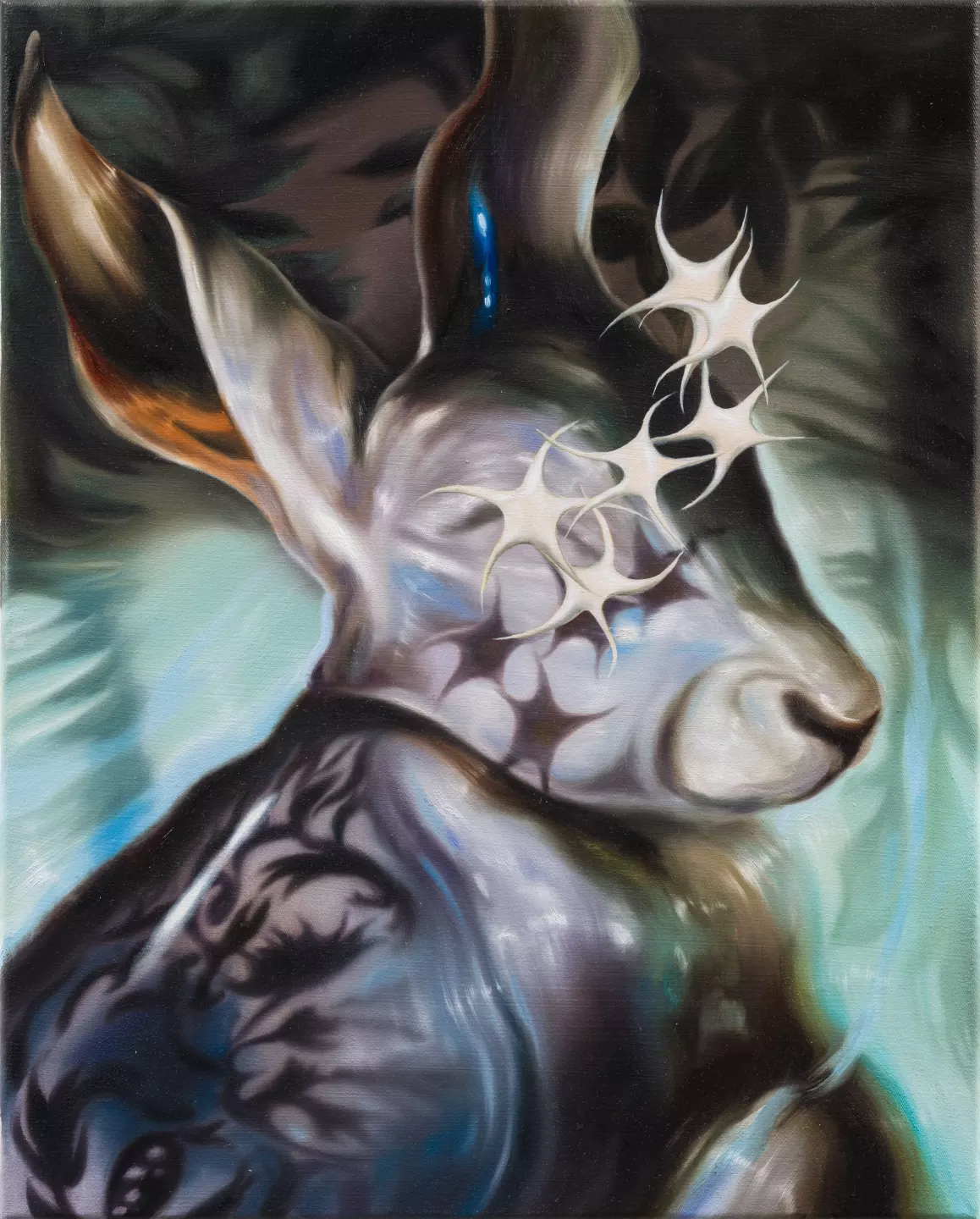 Philippa Brück, Tender is the night, 2026, Oil on canvas, 50 × 40 cm
 -
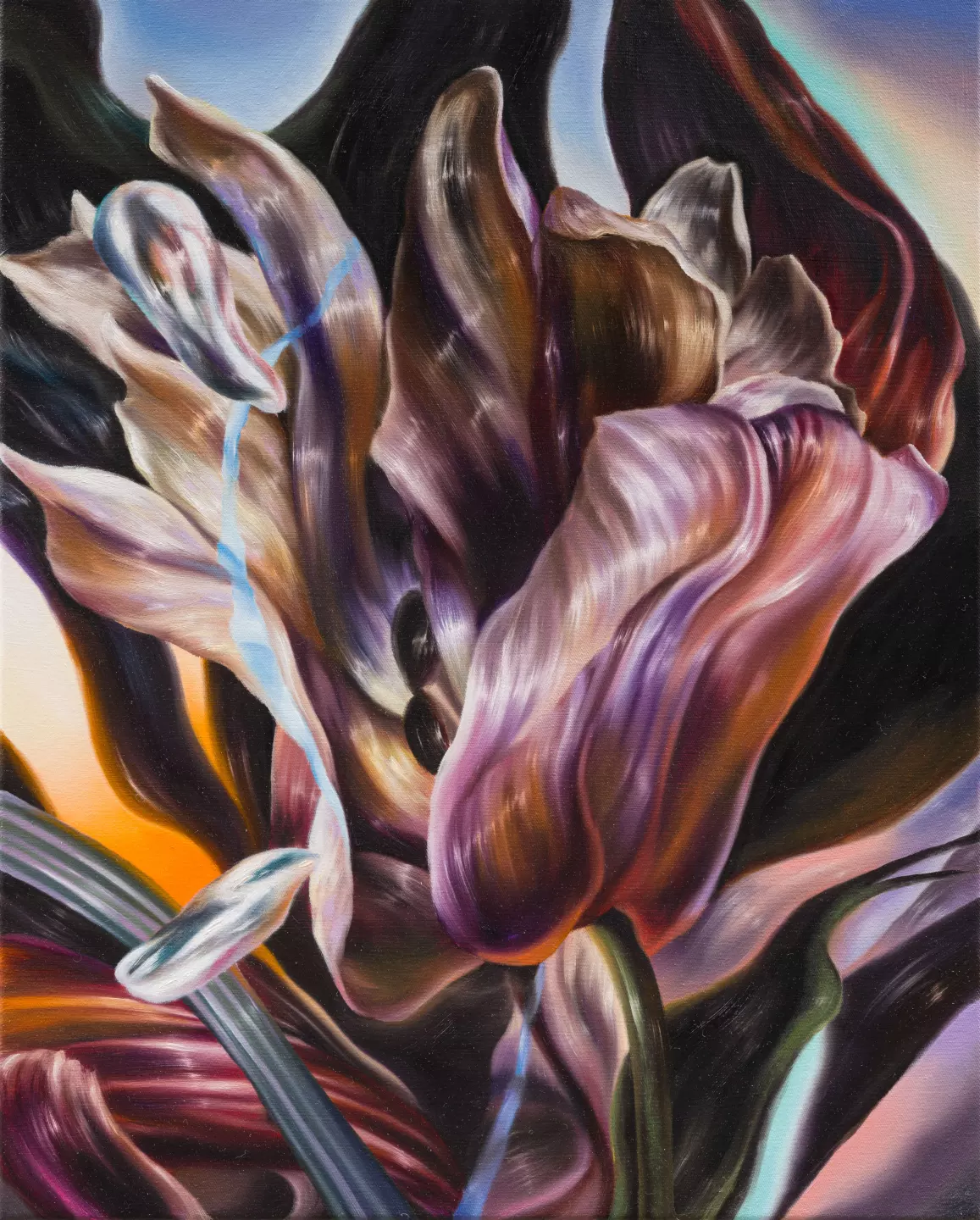 Philippa Brück, Afternoon hours, 2026, Oil on canvas, 50 × 40 cm
 -
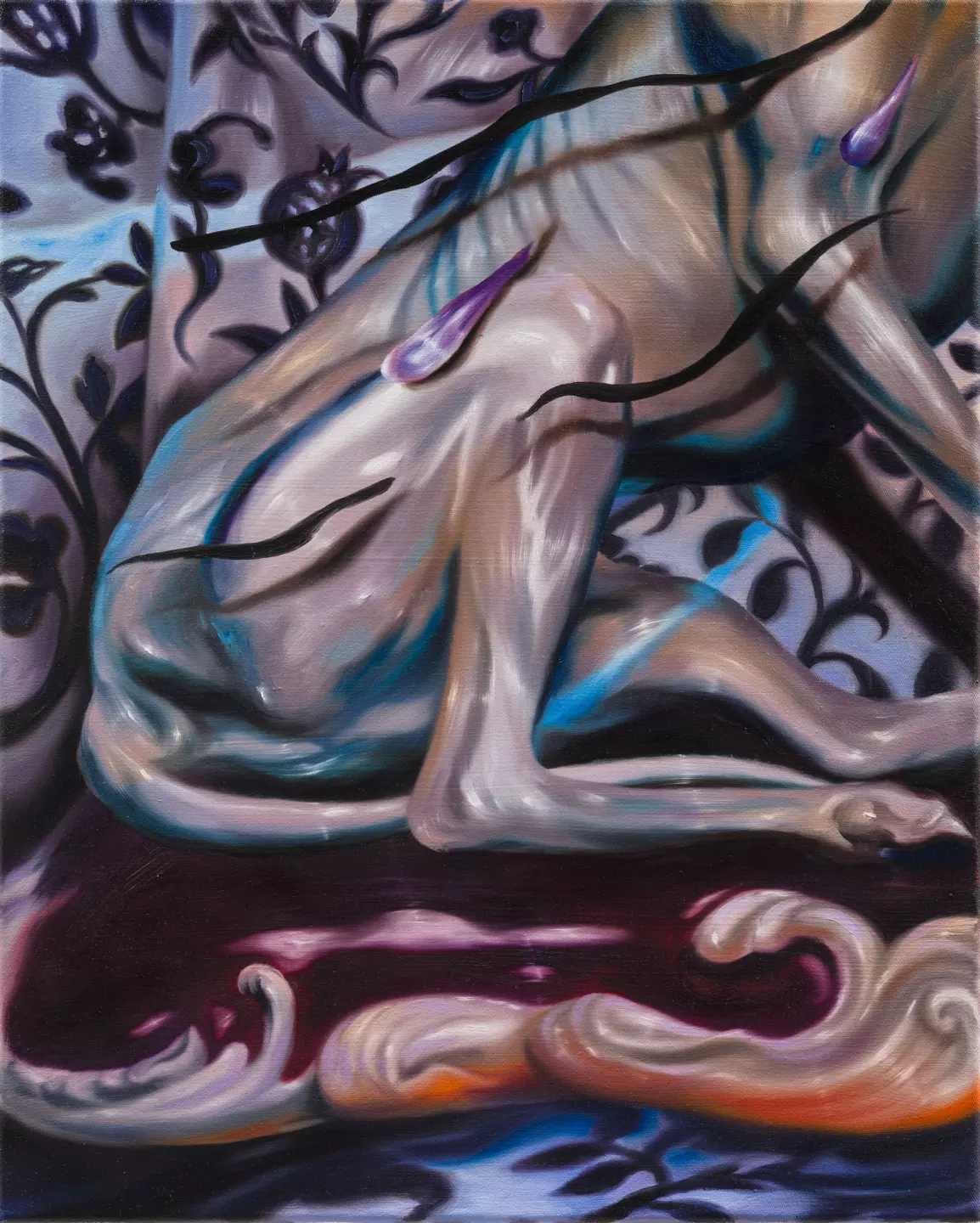 Philippa Brück, The spiders of my heart, 2026, Oil on canvas, 50 × 40 cm
 -
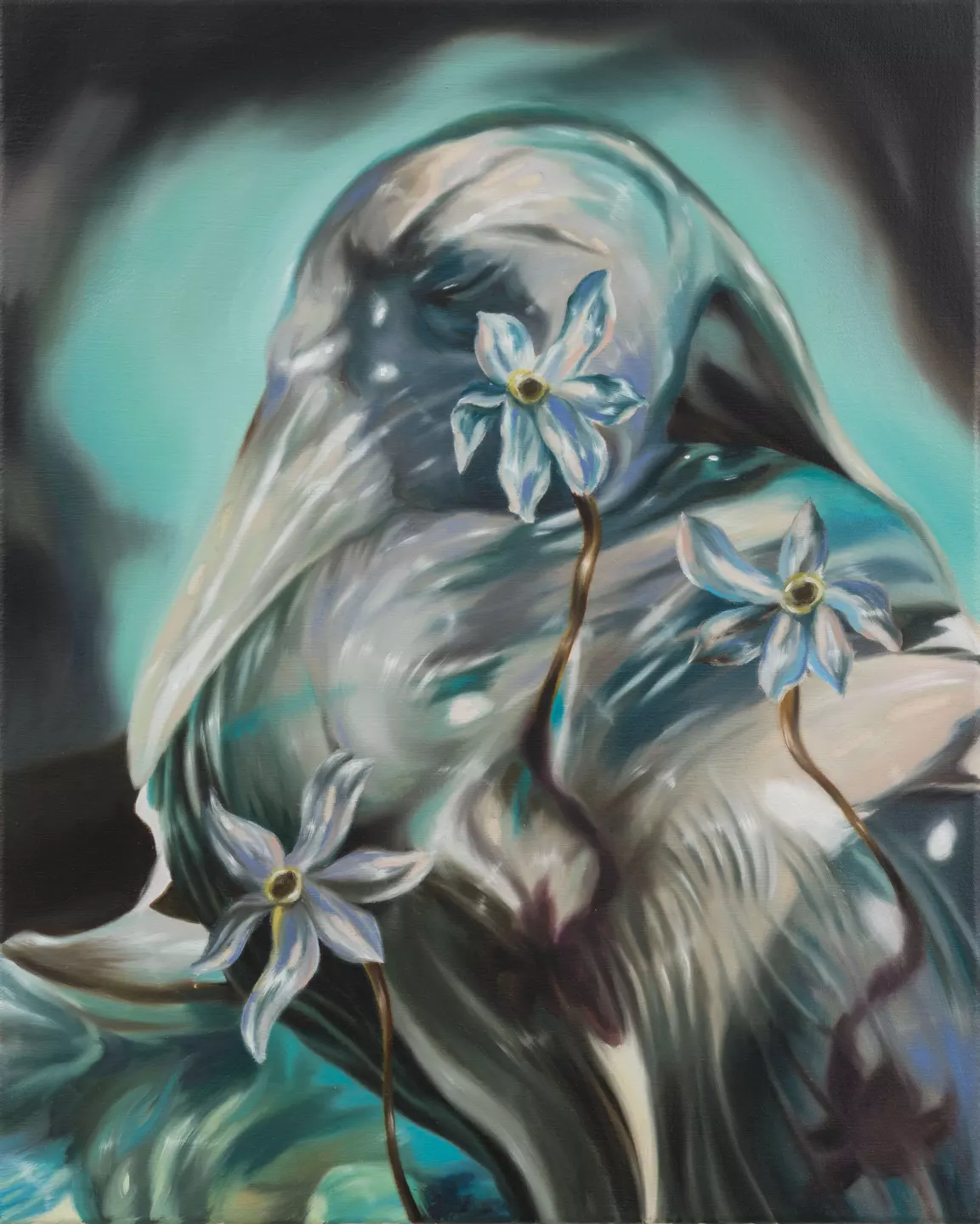 Philippa Brück, Sleepers, 2025, Oil on canvas, 50 × 40 cm
 -
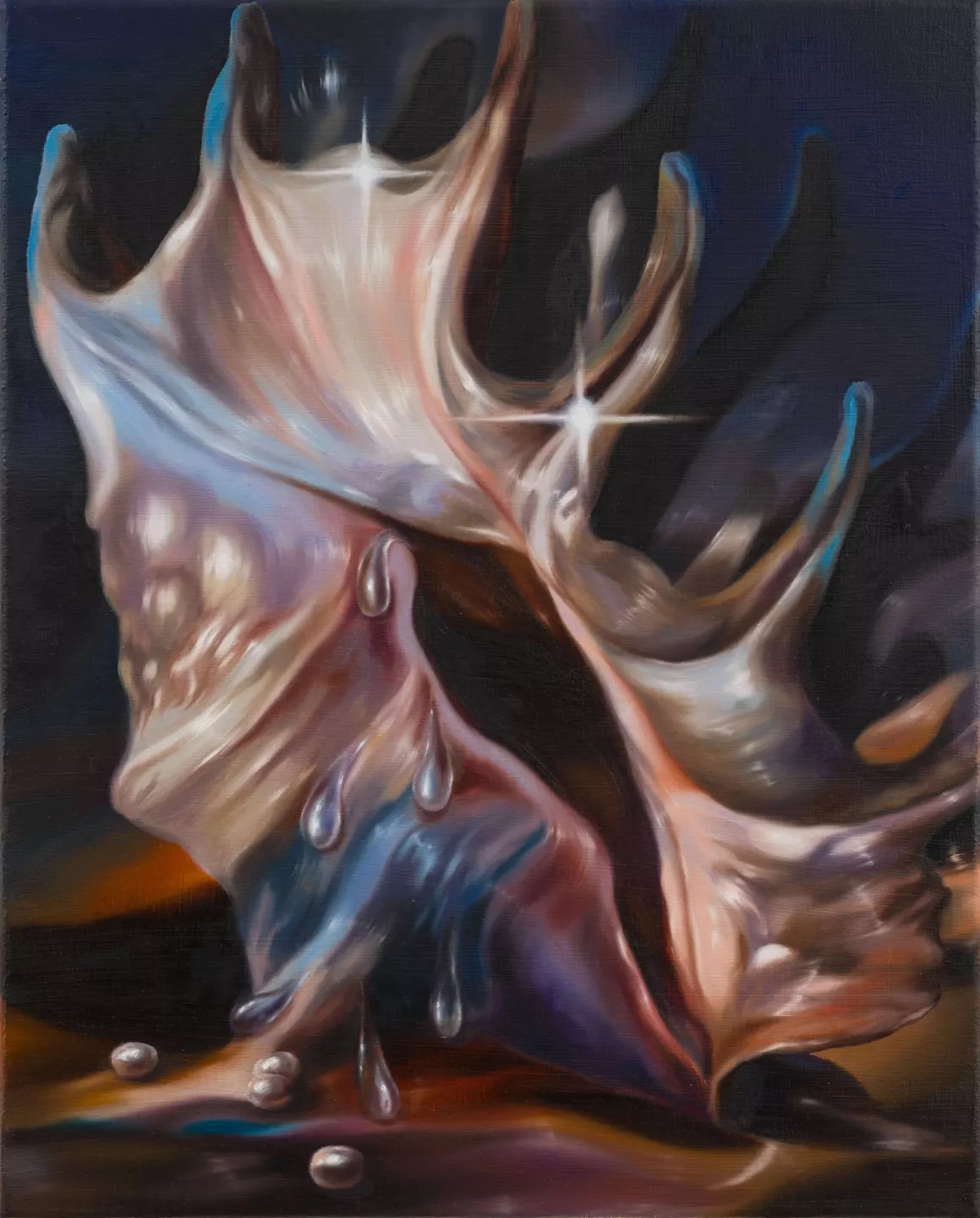 Philippa Brück, Sanctuary, 2025, Oil on canvas, 50 × 40 cm
 -
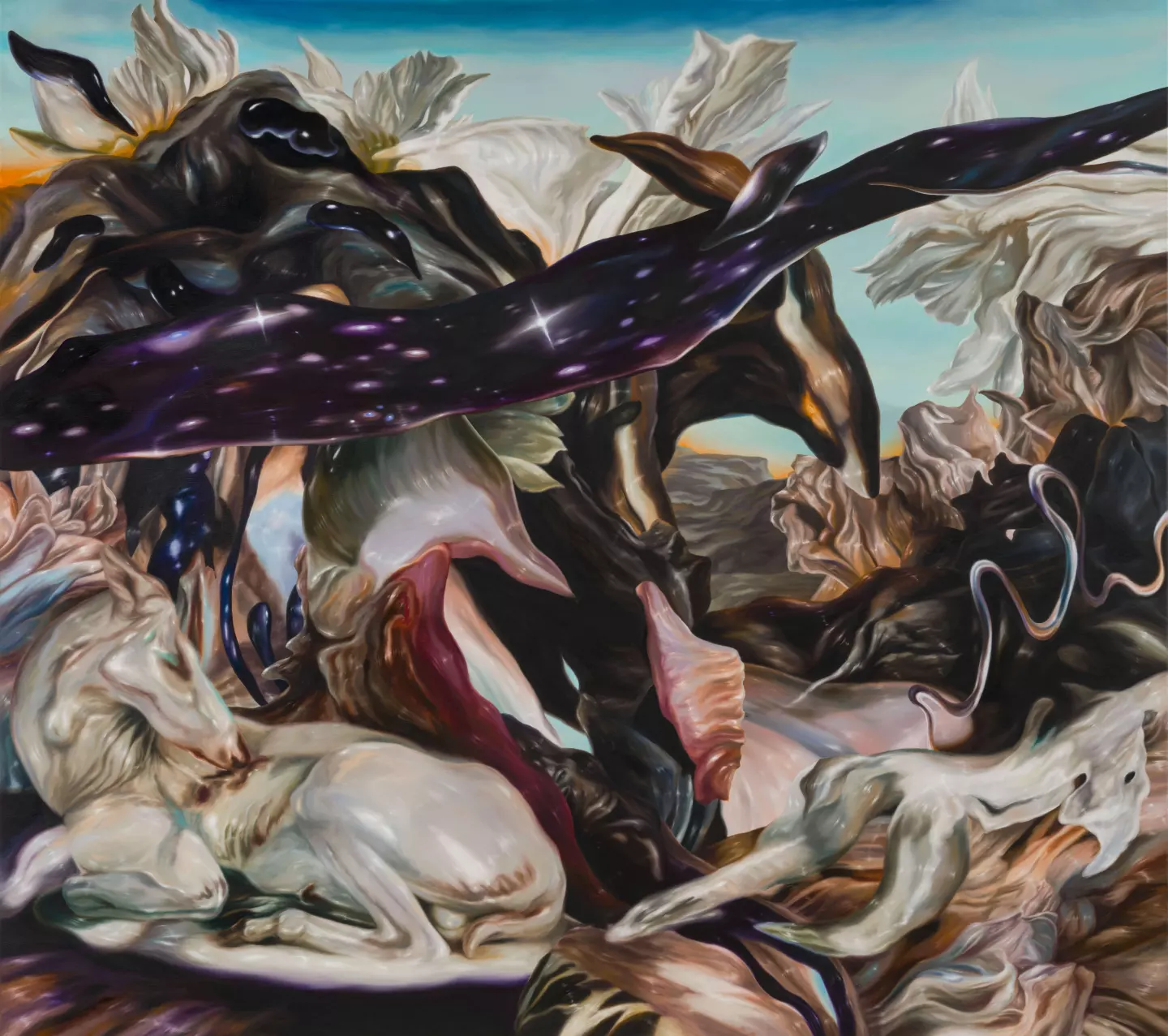 Philippa Brück, Even wild beasts were moved by his song, and the trees followed; the rocks listened, 2025, Oil on canvas, 160 × 180 cm
 -
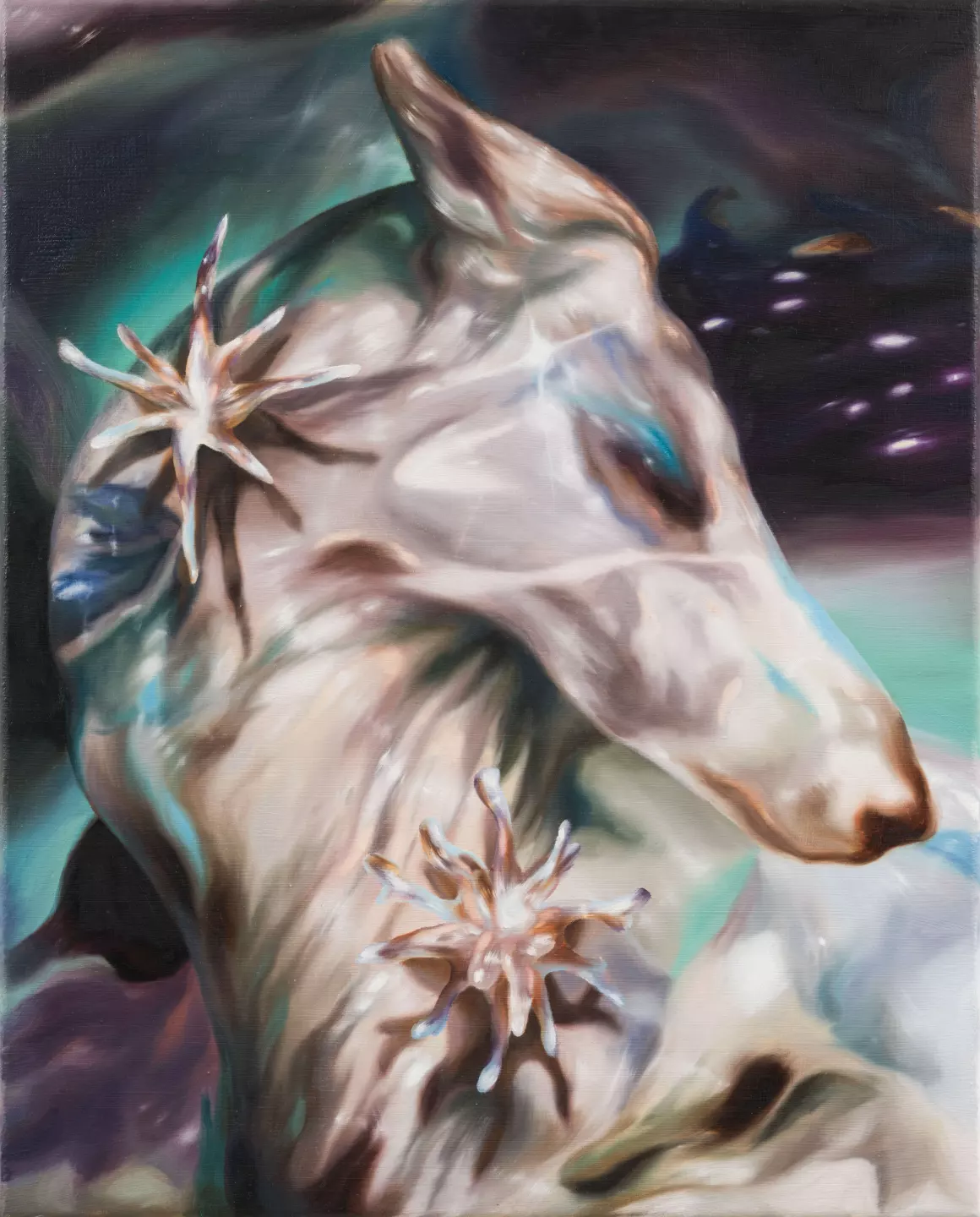 Philippa Brück, Stargazer, 2025, Oil on canvas, 50 × 40 cm
Contact us for more information.