Doris ZieglerNICHT_OHNE_EINANDER
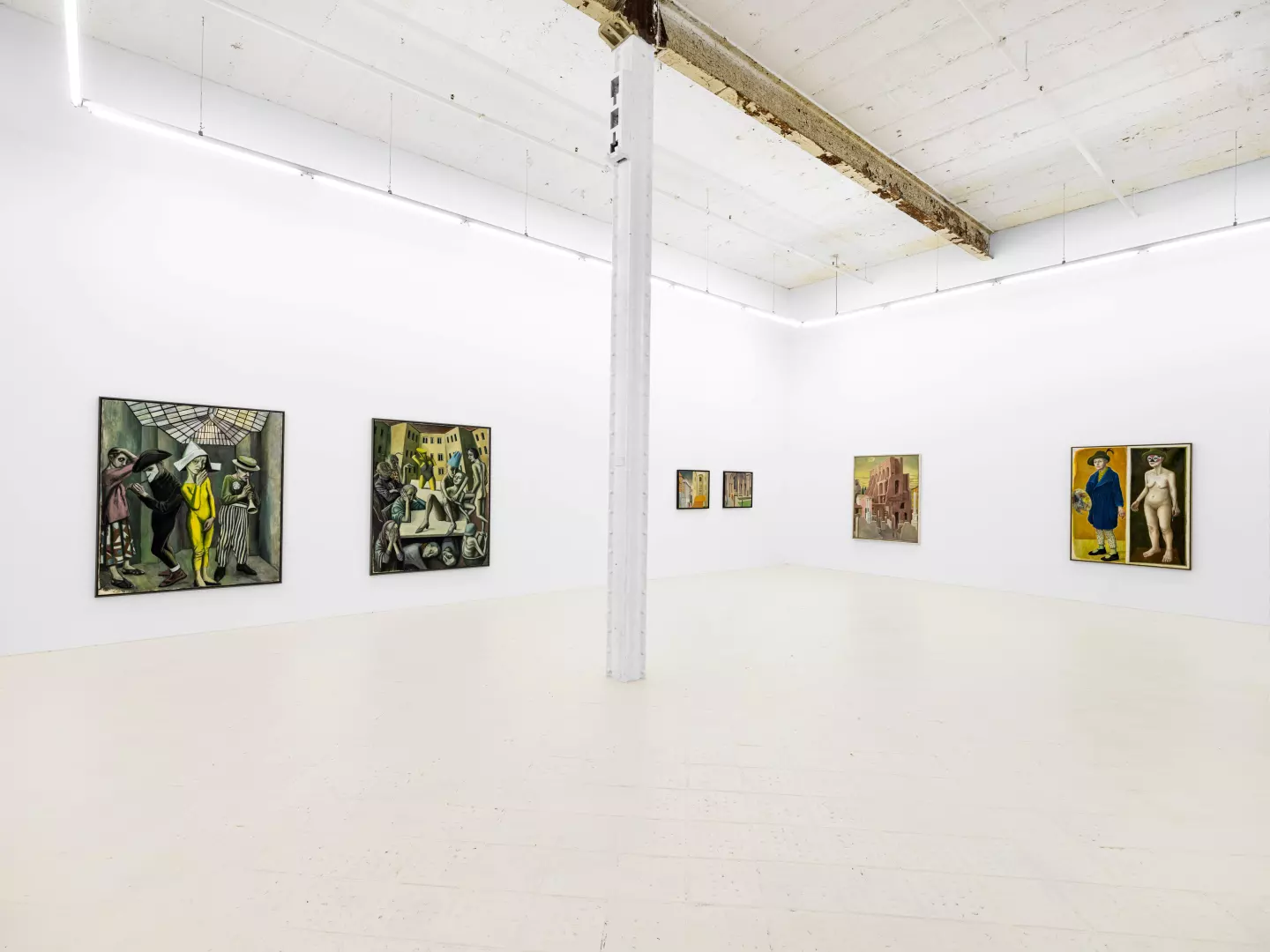
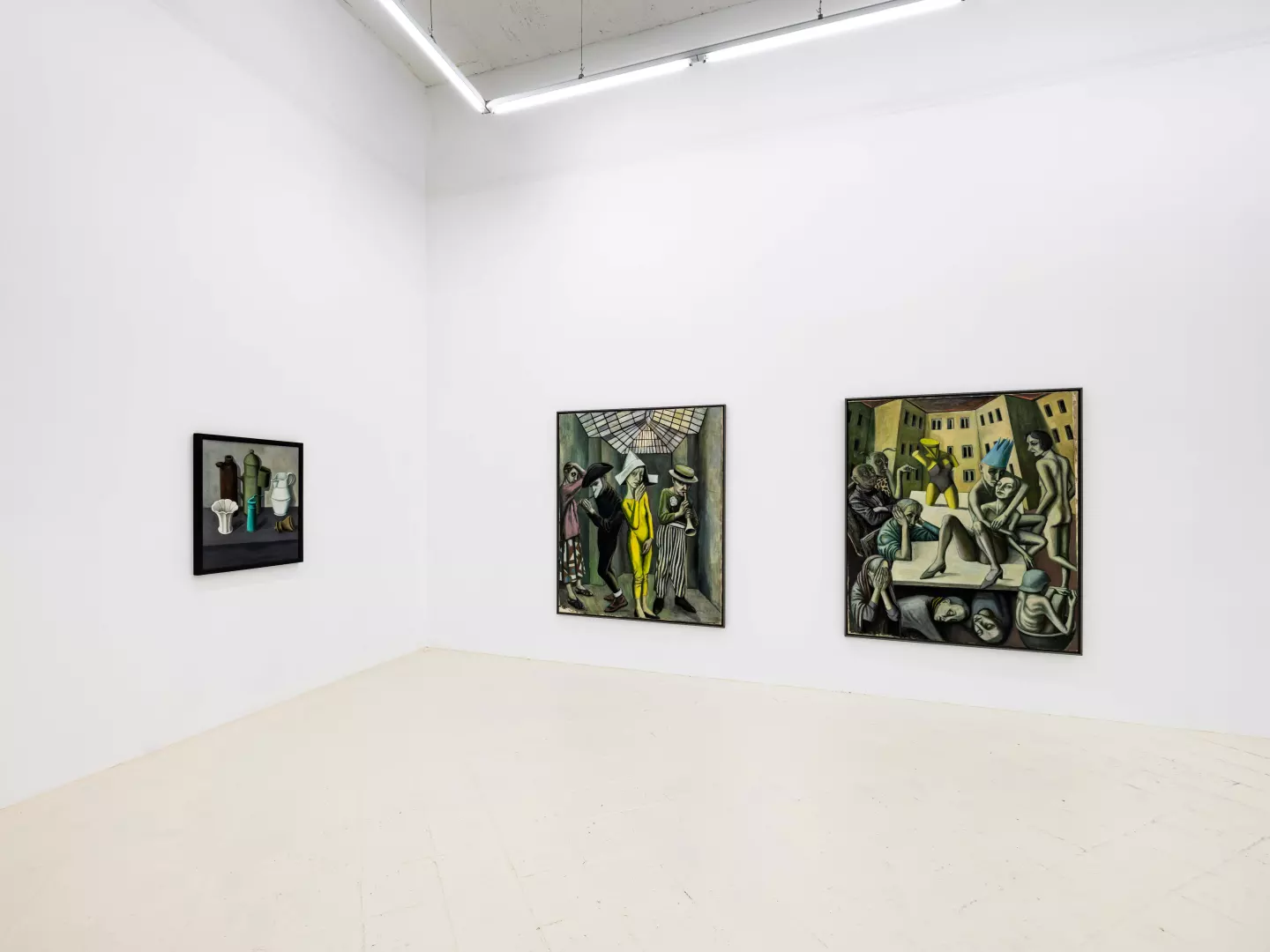
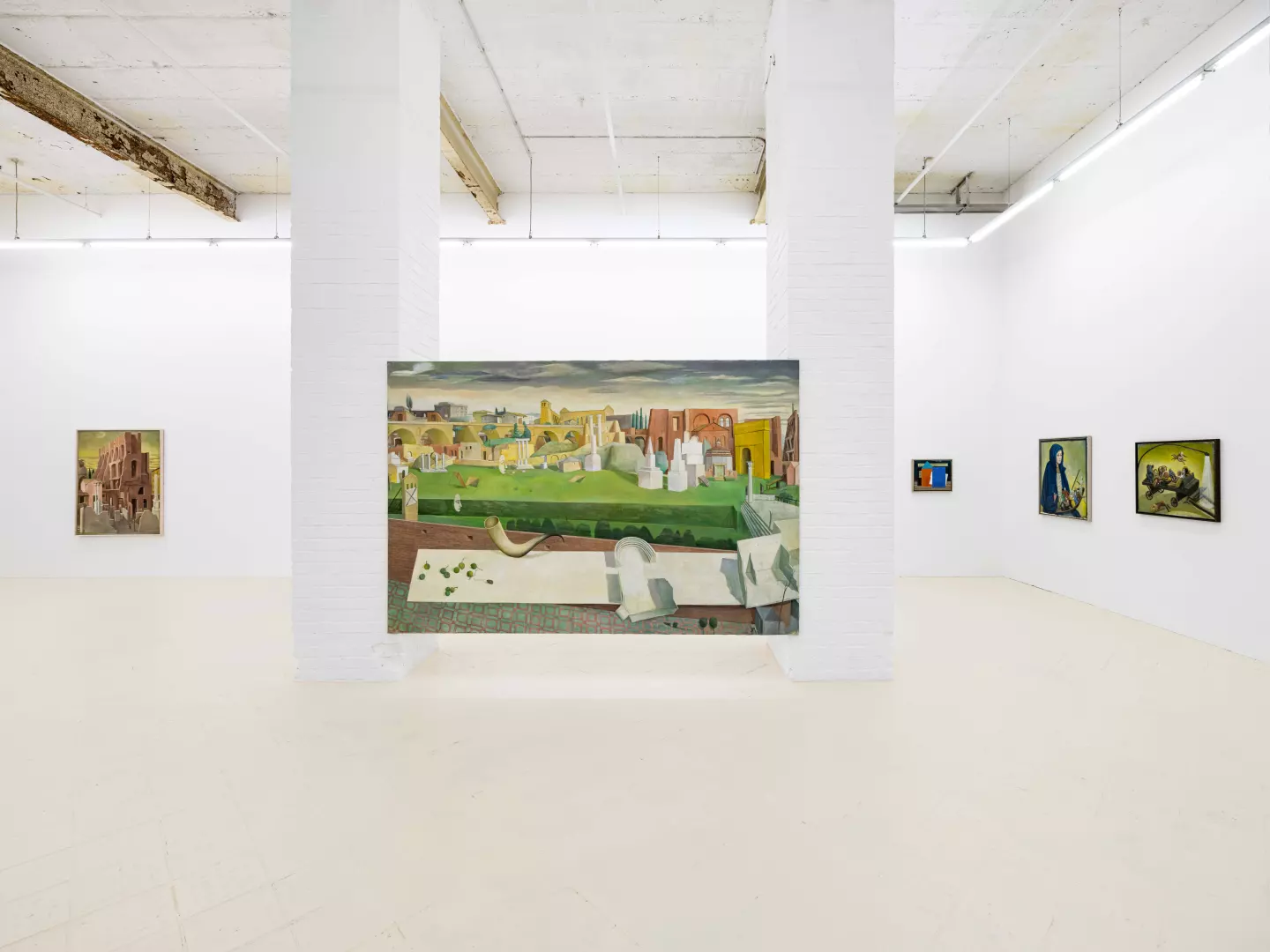
Doris ZieglerNICHT_OHNE_EINANDER
Text by Wolfgang Ullrich
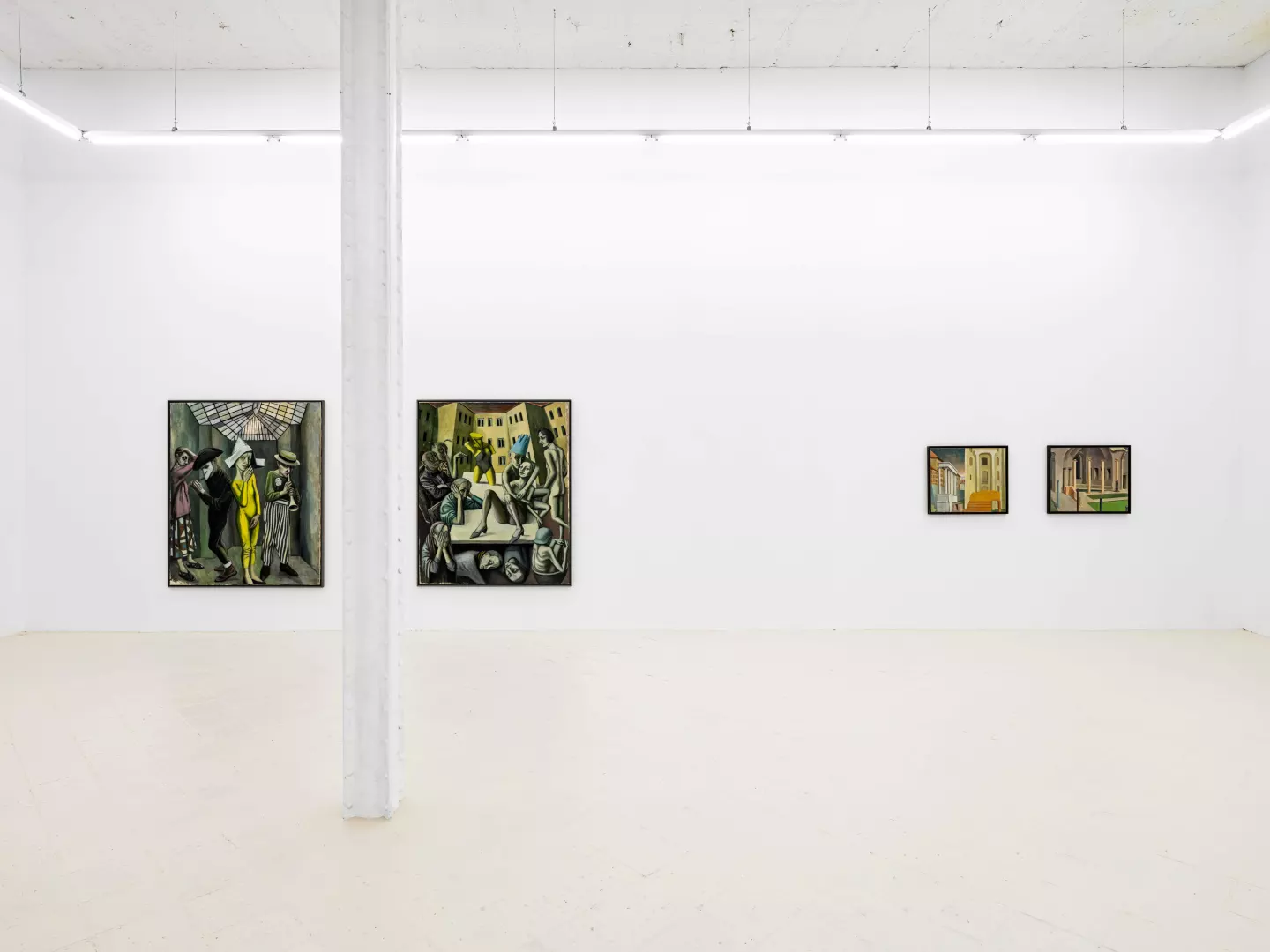
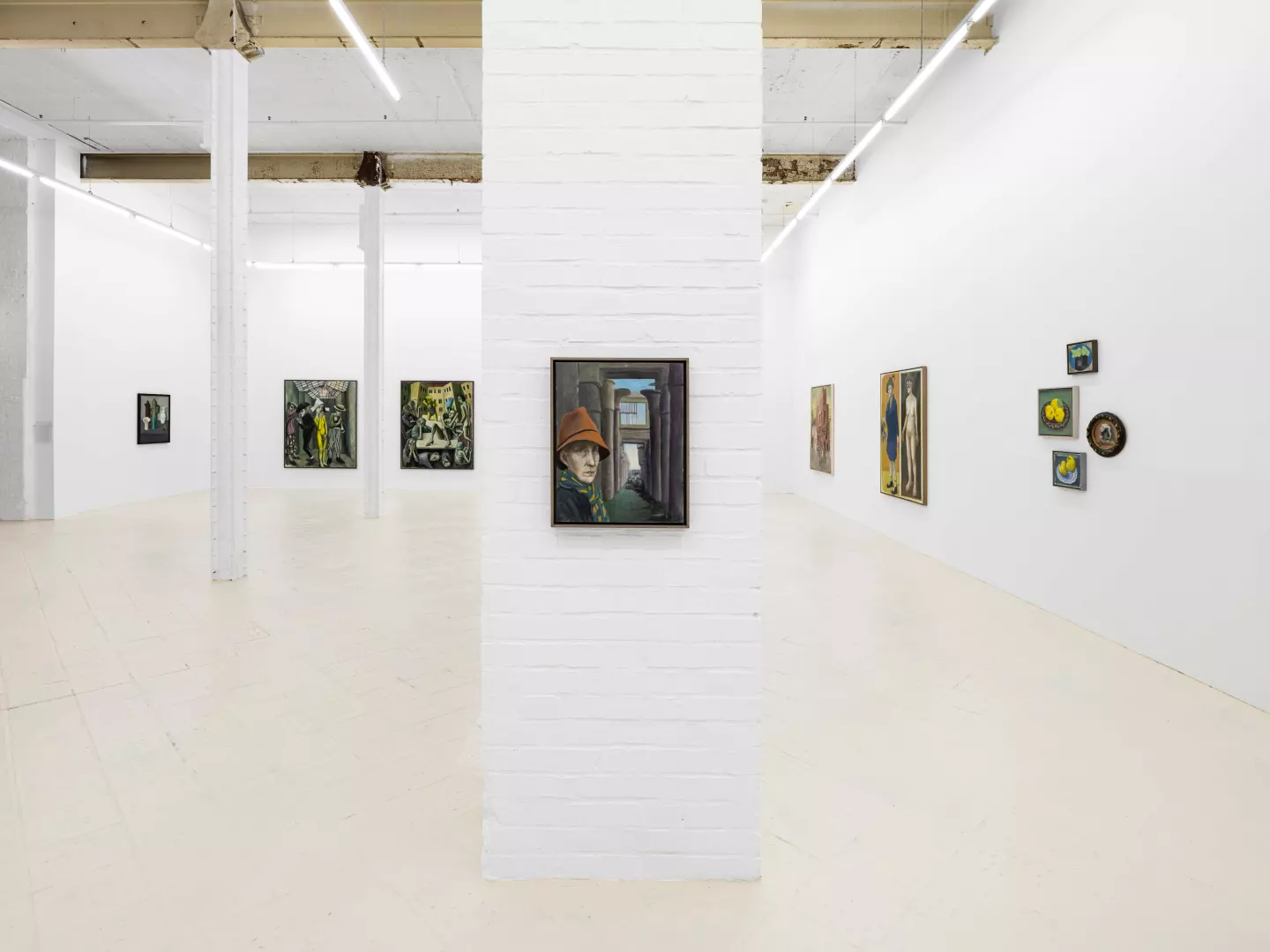
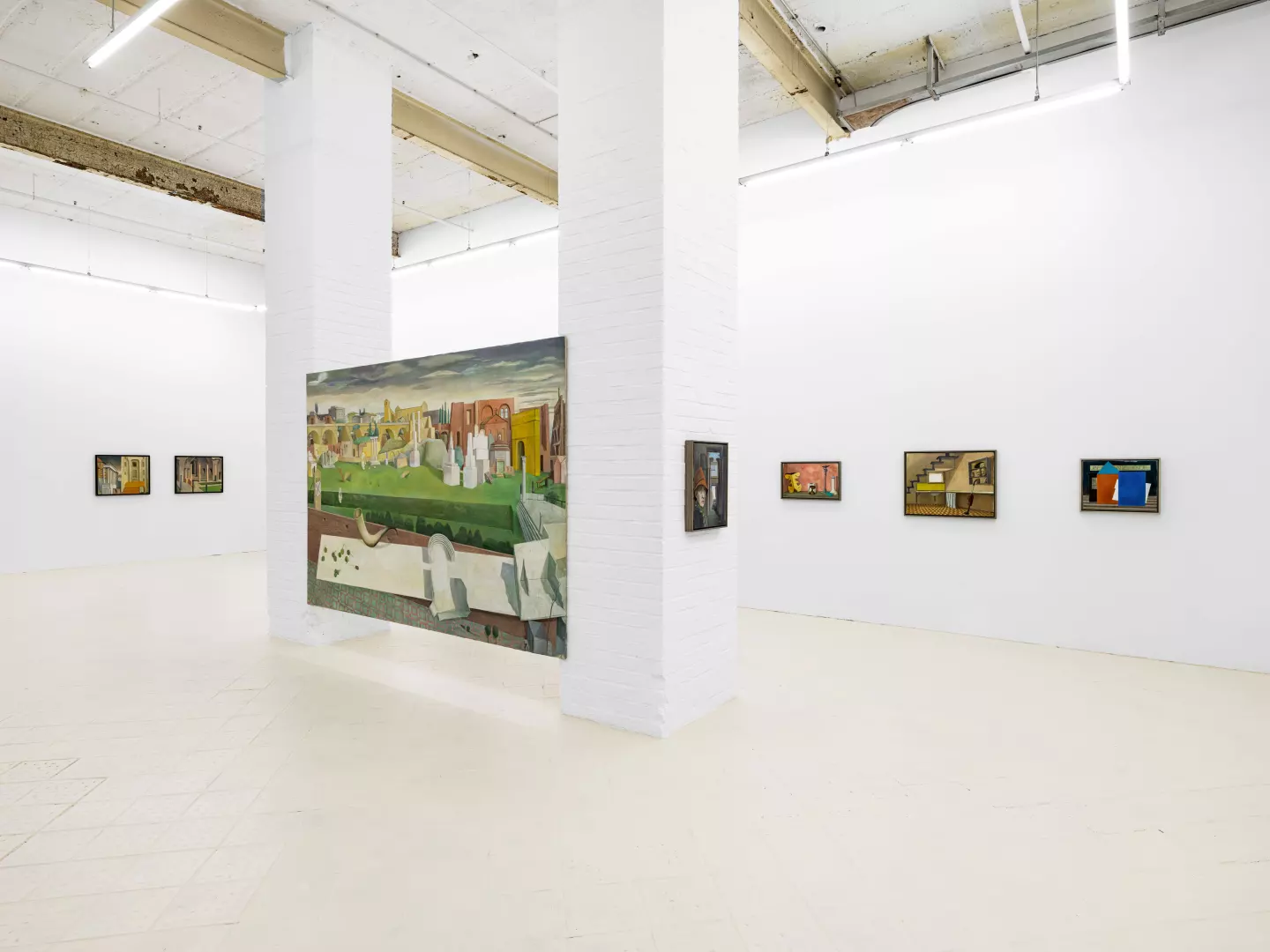
What Doris Ziegler chooses not to paint is just as important as what she does. Her paintings are marked by absences and empty spaces. Places are devoid of people, a throne is vacant, rooms are sparsely furnished, and in a landscape, the sun doesn’t shine. Something is always missing. Her works cannot be viewed without a sense of loss. One imagines an earlier state when what is now absent was still present, when the world was still in order. There is a particular seriousness that comes through, and one feels compelled to at least understand why something might have disappeared.
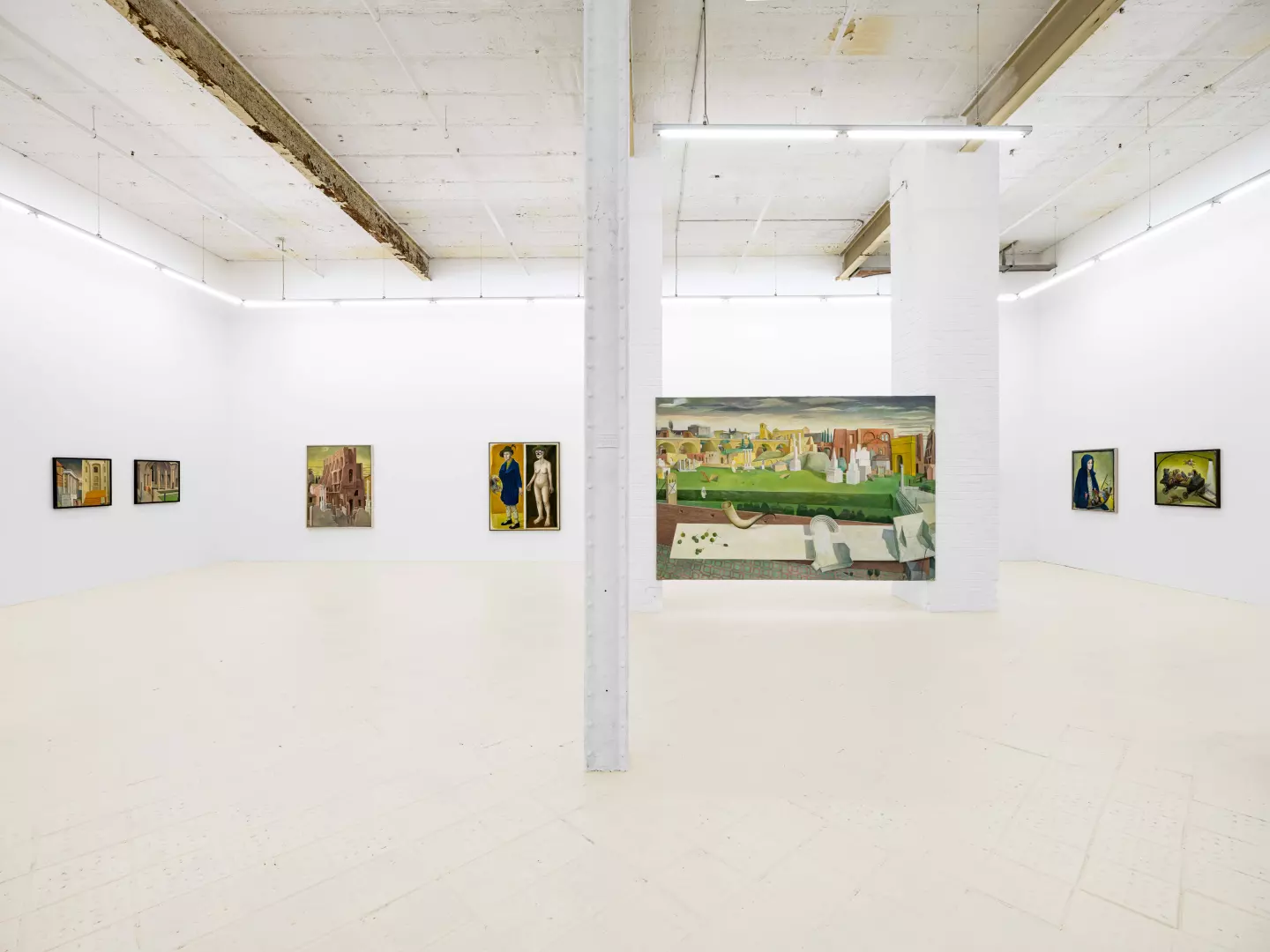
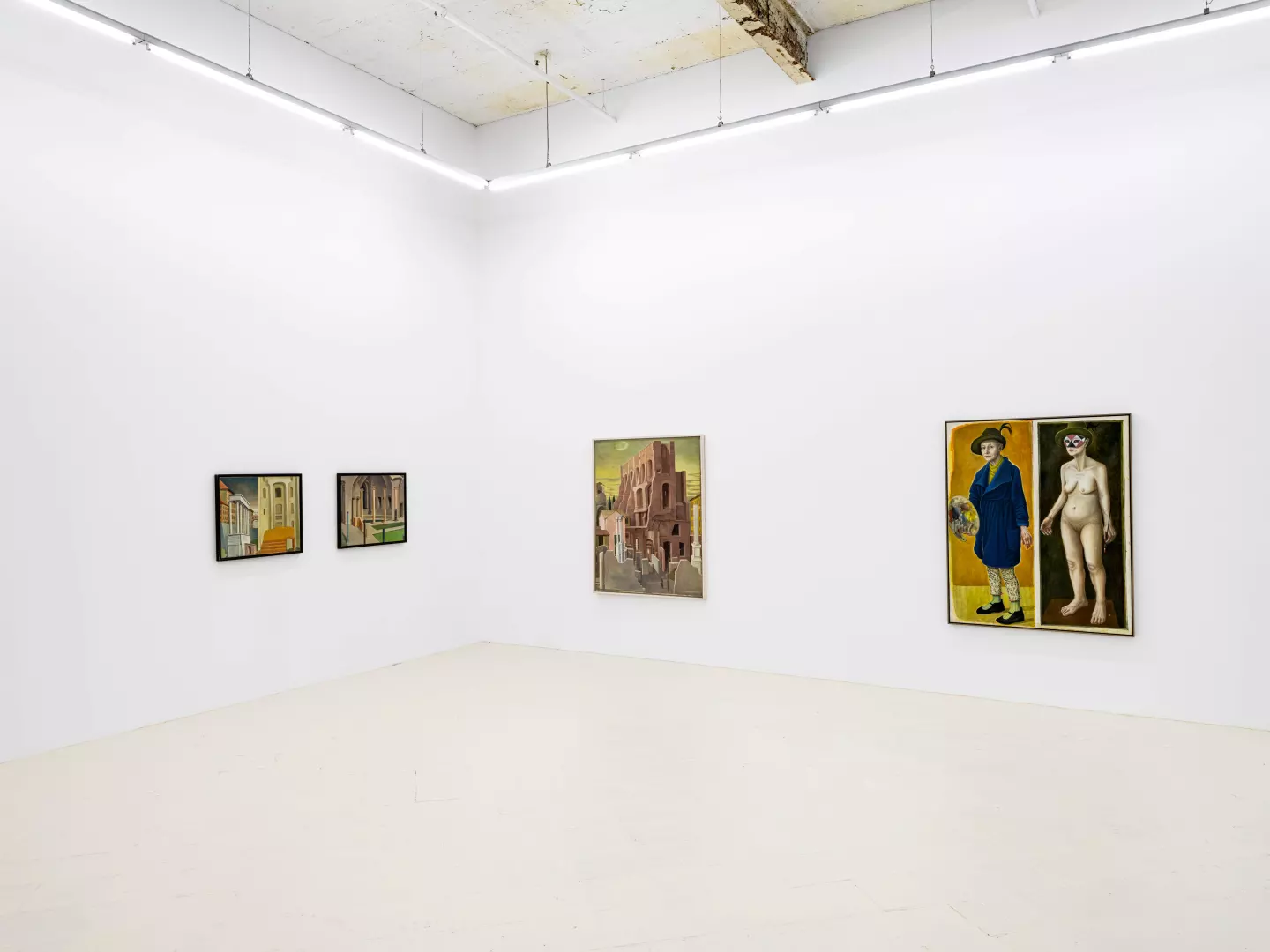
But the absence of something is not always uncanny. Sometimes, it draws attention to a connection or interdependence. Doris Ziegler achieves this with particular subtlety in the painting that gives the exhibition its title. Nicht ohne einander (2023) consists of two halves, each with its own pictorial space; in each stands a figure—clearly, in both cases, the artist herself, identifiable by the painting tools. Yet while one figure holds a palette in her right hand, the other holds a brush in her left. Neither can paint alone: one has only the colors, the other only the tool. So the two figures belong together and can only exist together—not without each other.
This is also about the unity of opposites. One figure is clothed, while the other is nude—except for a hat, which both wear, and a mask over the eyes and nose with which the nude figure protects her intimacy. Just as the painter needs both palette and brush, she also needs both a body and a social role; she is thrown back on herself and her physical being, yet also part of a social world full of codes and communication. In this, it is a strong gesture by Ziegler—an impressive assertion of artistic autonomy—that the colors on the palette match those of her clothing: as if the artist could and would choose for herself the role she plays.
Nicht ohne einander belongs to a loosely connected series of paintings in which Doris Ziegler, at various stages in her work, has explored what art historian April A. Eisman refers to as “the motif of the ‘doppelgänger,’” interpreting it as a way for the artist to question and reflect upon her “identity as a woman and painter [...] in different ways” (April A. Eisman: “Im doppelten Blick,” in: Paul Kaiser (ed.): Doris Ziegler. Das Passagen-Werk, Weimar 2020, p. 149). While earlier works in the series may focus on Ziegler’s role as a mother or daughter, she now concentrates entirely on herself as an artist. She depicts herself twice, as a solitary figure, and in the absence of other figures one might again see an empty space. Must the artist be alone to focus on her work? Or is she lonely? Does her work arise out of the experience of existential solitude? Out of an awareness of mortality, impermanence, death?
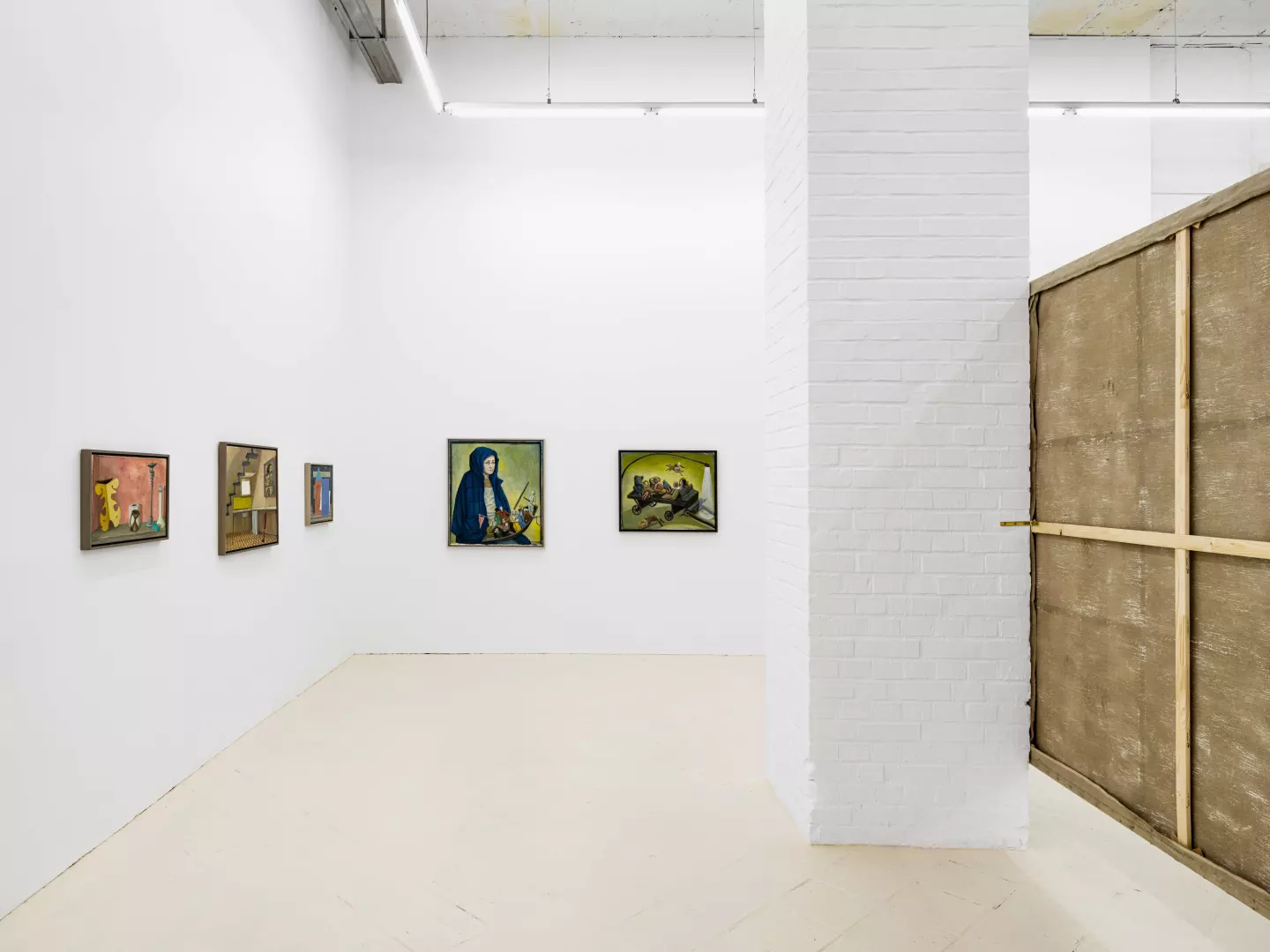
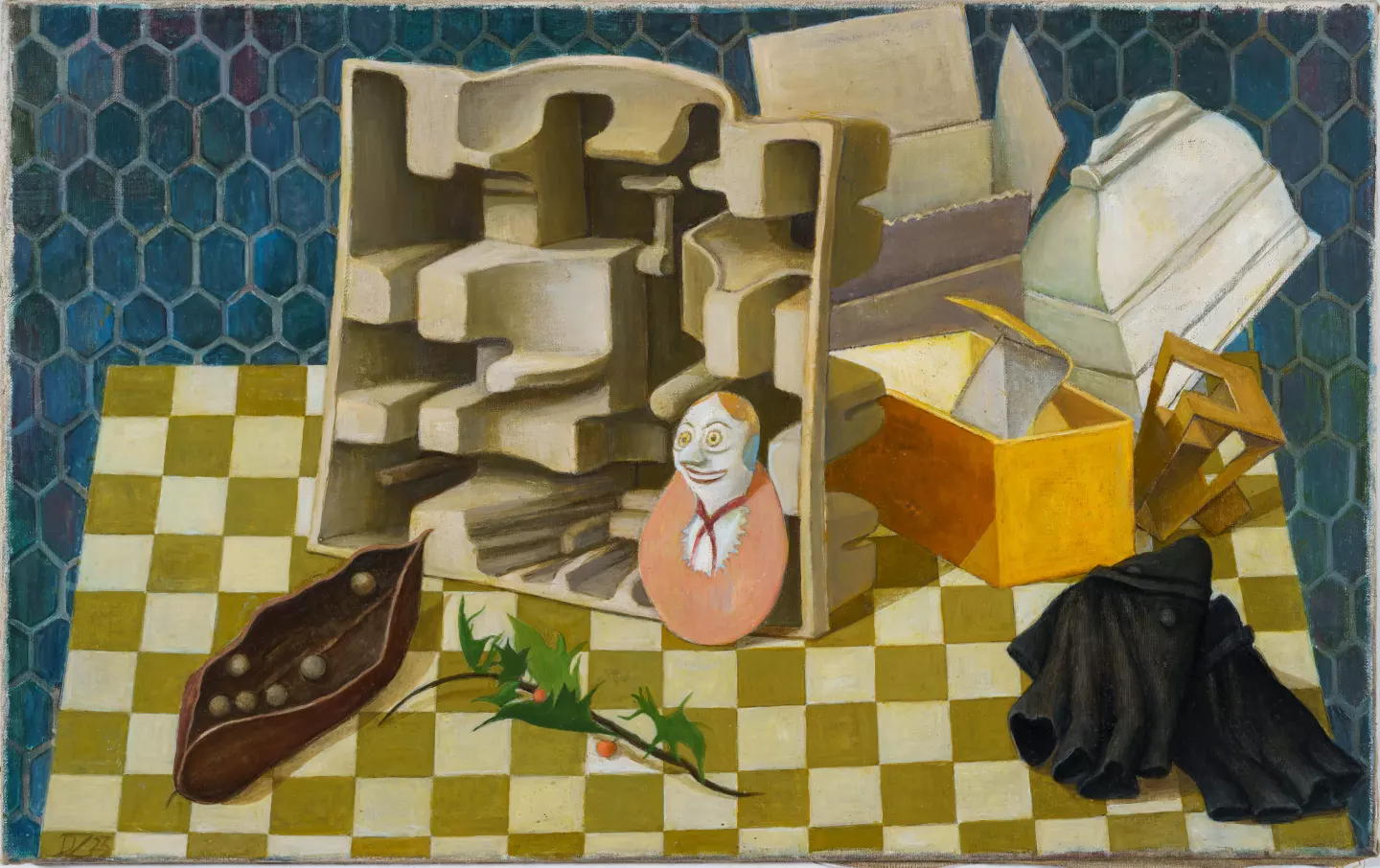
Indeed, what is missing in Doris Ziegler’s paintings often evokes thoughts of death. At the same time, she demonstrates a confident command of art history, particularly the still life genre, which since the 17th century has repeatedly staged impermanence—vanitas. Well-burned or recently extinguished candles (with still-smoking wicks) were a popular symbol. In Ziegler’s Still Life in Front of a Pink Wall (2020), a candle stub appears on the right edge of the image. Four other, very different candlesticks are present, but all are empty—without candles. In this way, transience is portrayed more radically than in the long tradition of still life. And with so much absence, death is all the more present.
Works
-
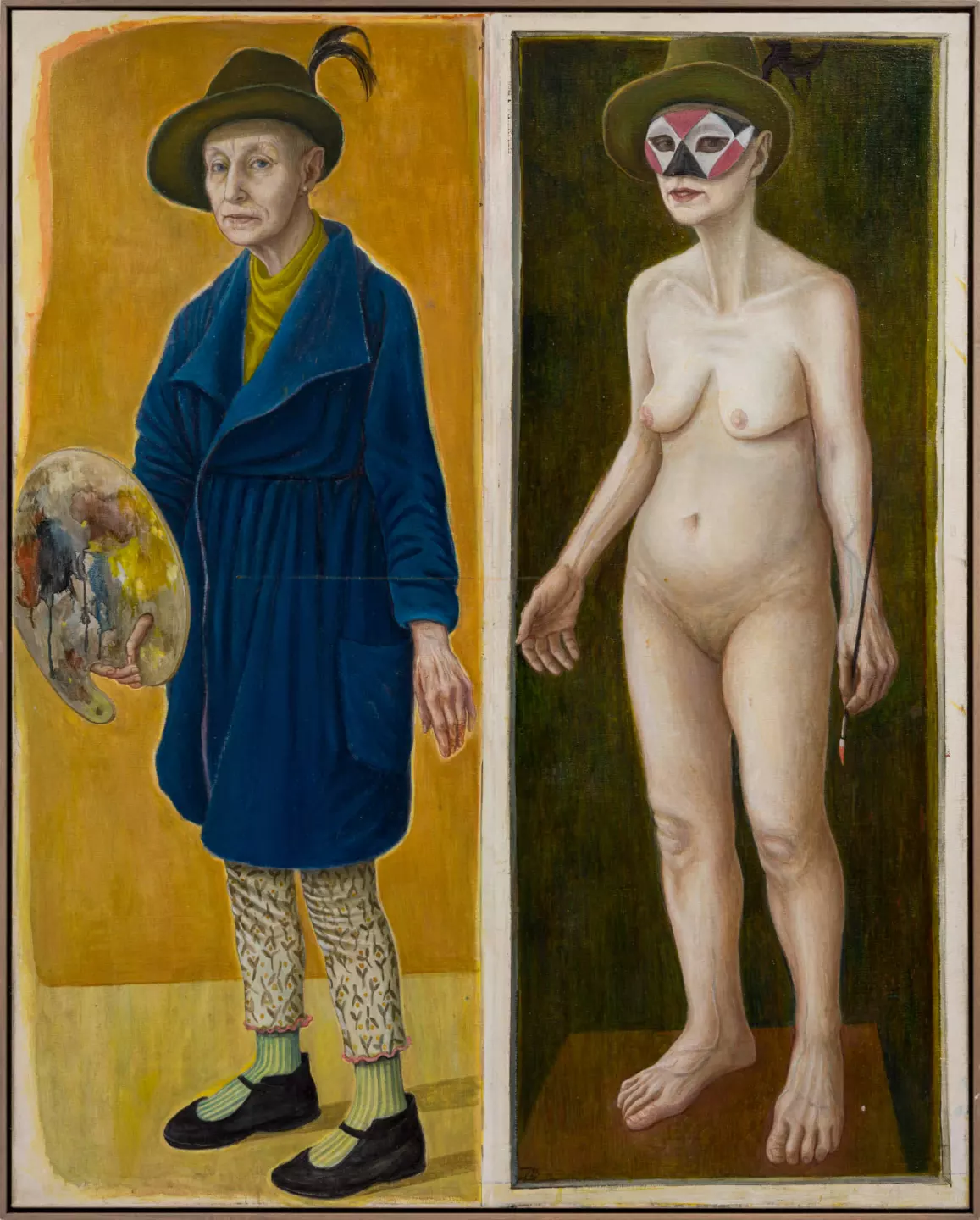 Nicht ohne einander, 2023, 150×120 cm, egg tempera and oil on canvas
 -
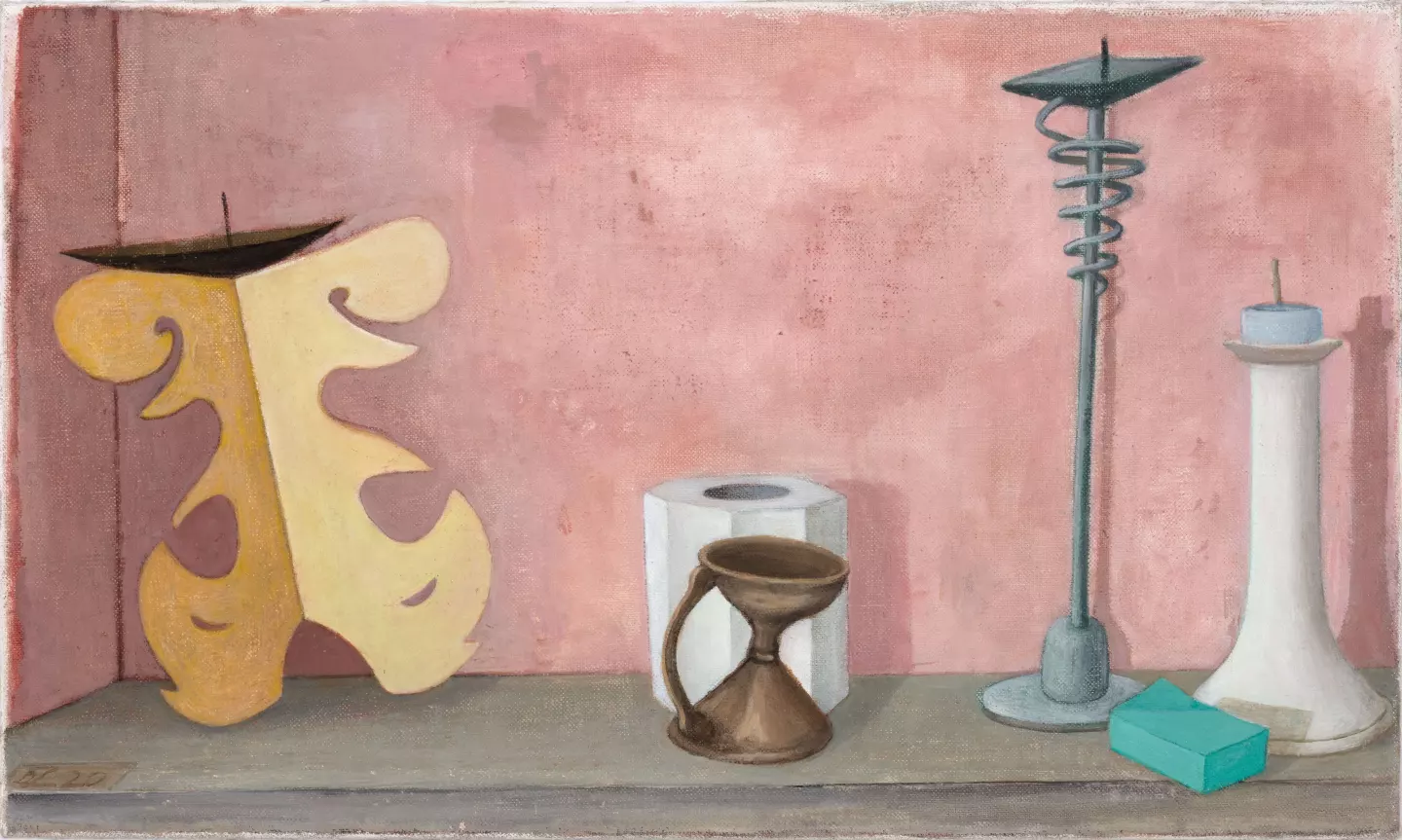 Stillleben vor rosa Wand, 2020, 36×60 cm, egg tempera and oil on canvas
 -
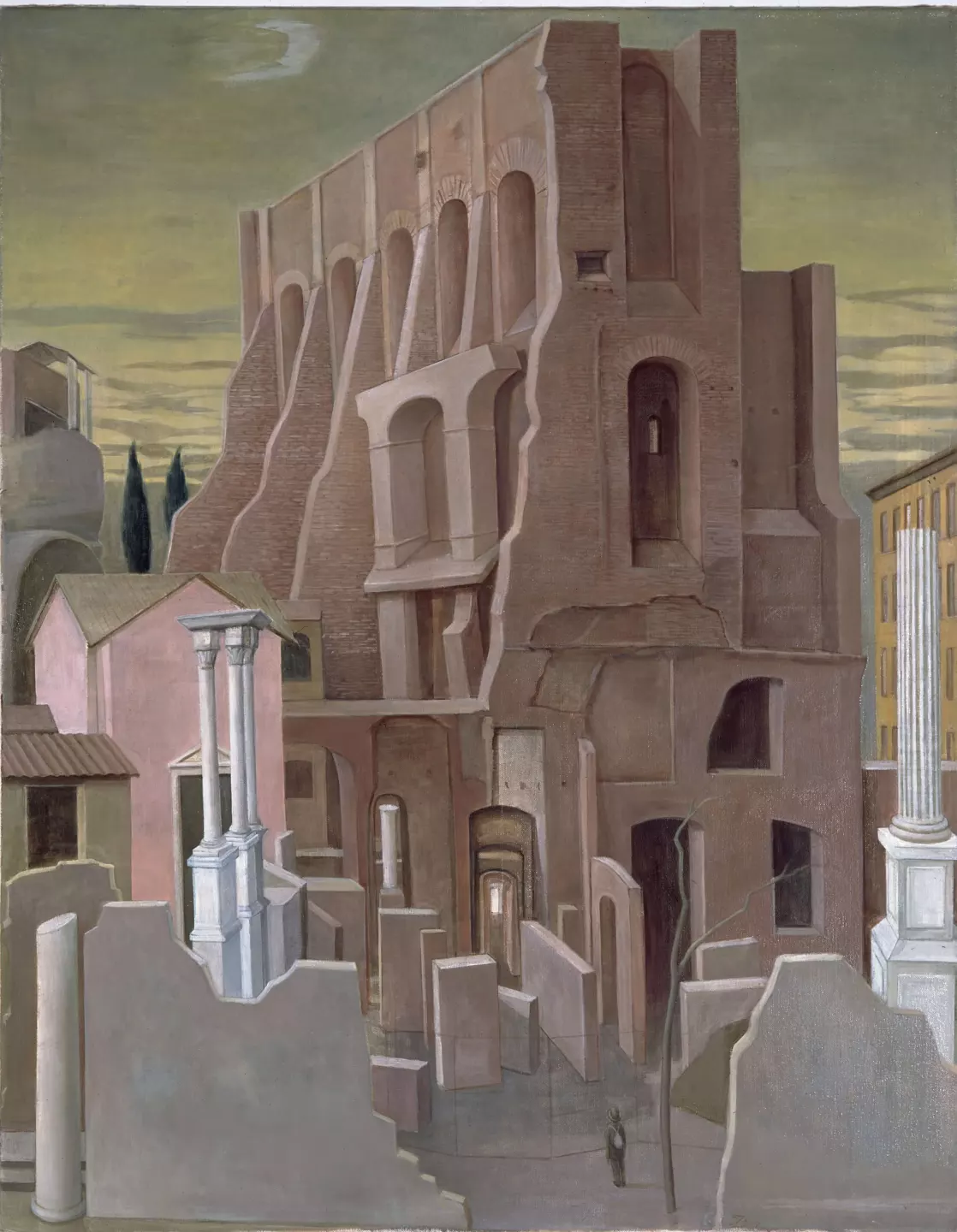 Abendliche Betrachtung, 2009, 140×110 cm, egg tempera and oil on canvas
 -
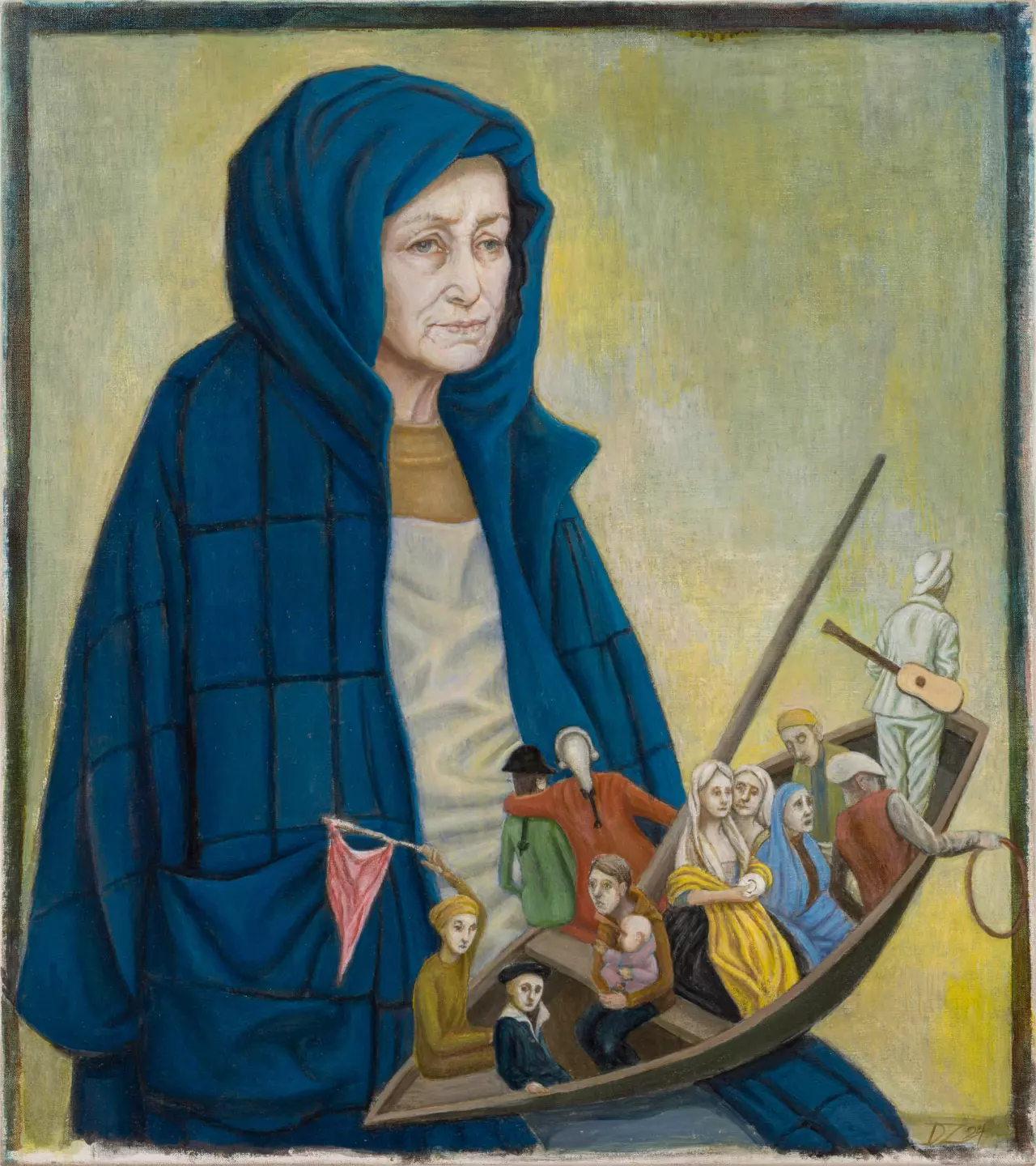 Selbst mit Boot, 2024, 90×80 cm, egg tempera and oil on canvas
 -
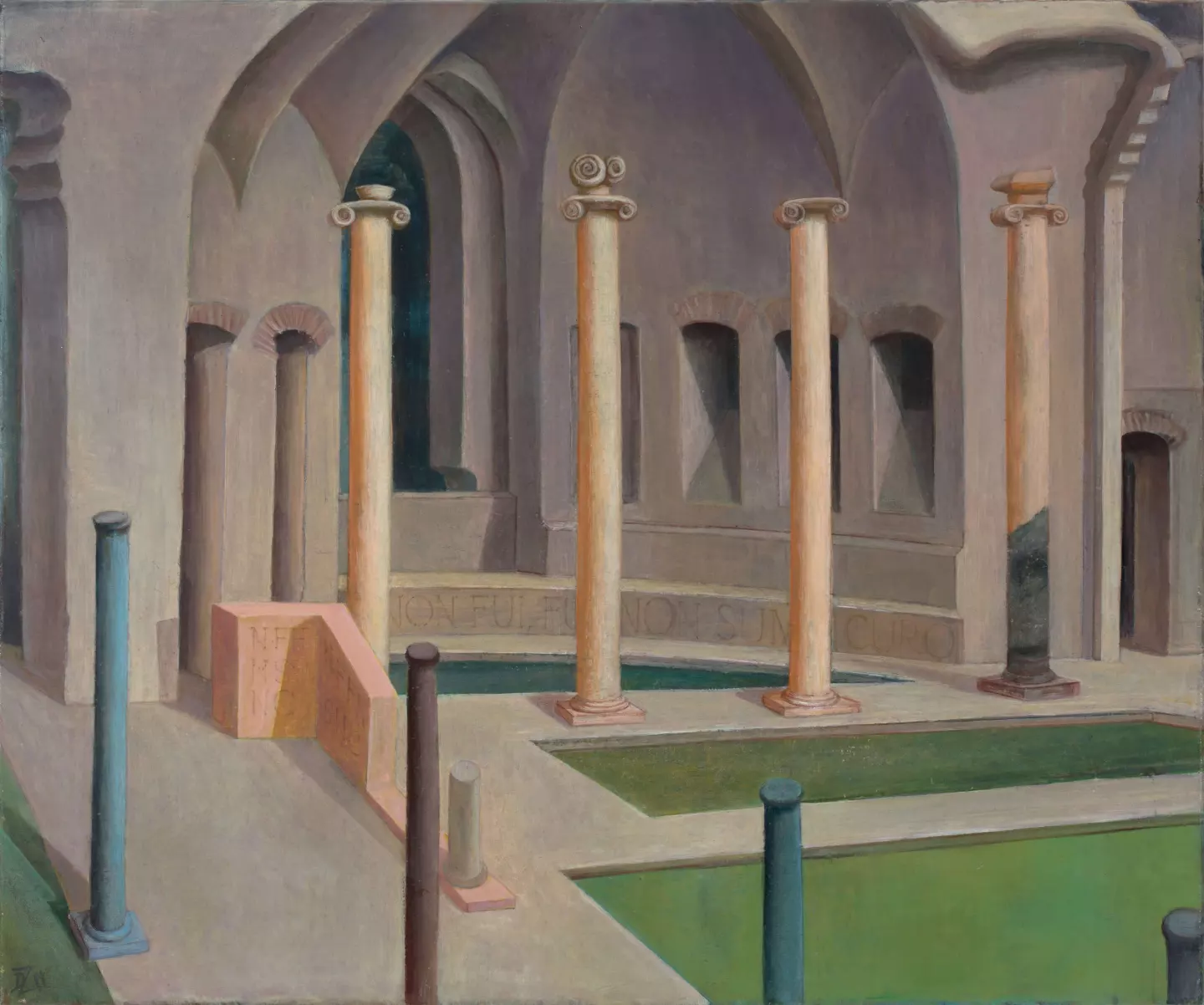 Canopus, 2017, 60×72 cm, egg tempera and oil on canvas
 -
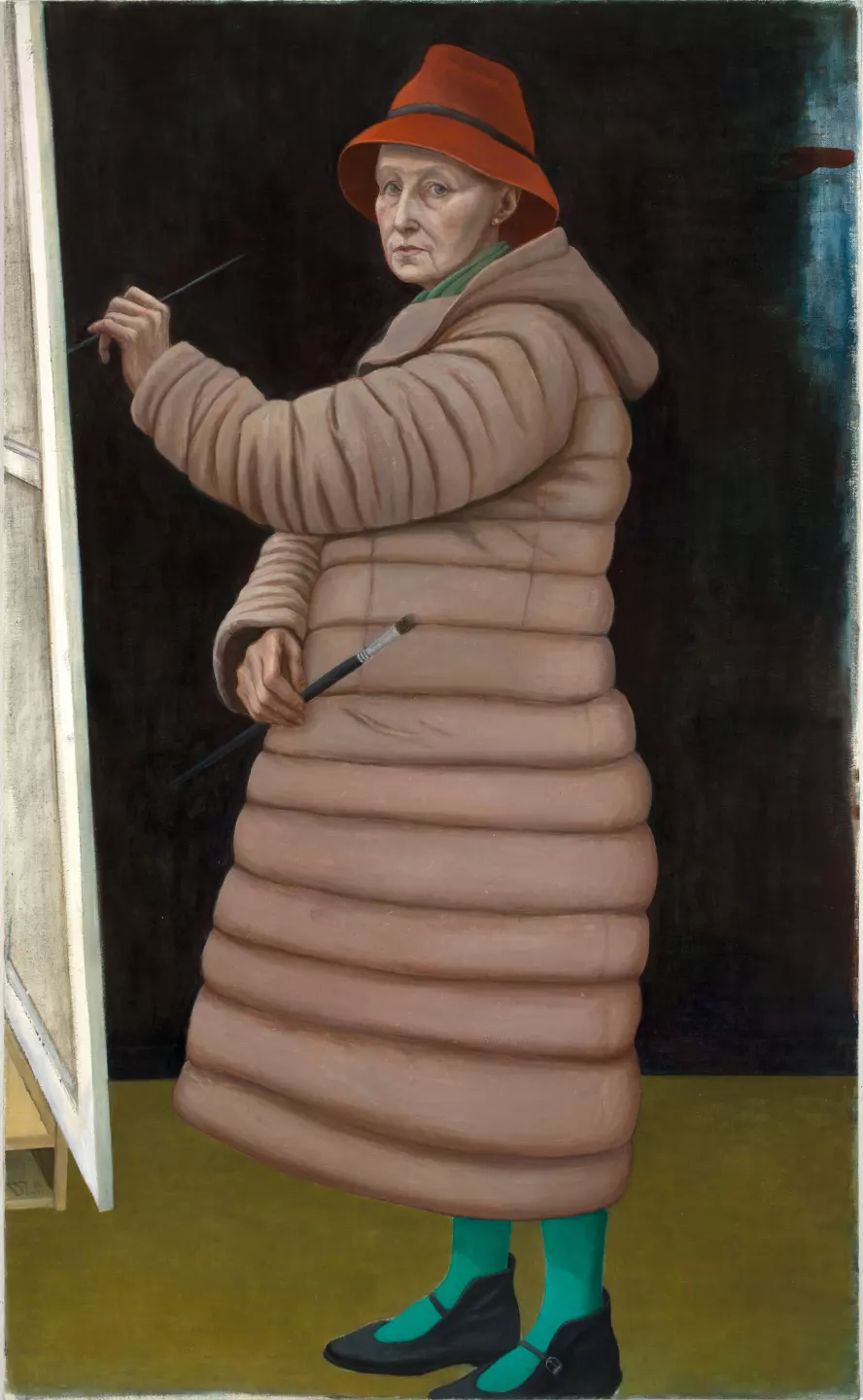 Selbst mit grünen Strümpfen, 2014, 85×140 cm, egg tempera and oil on canvas
 -
-
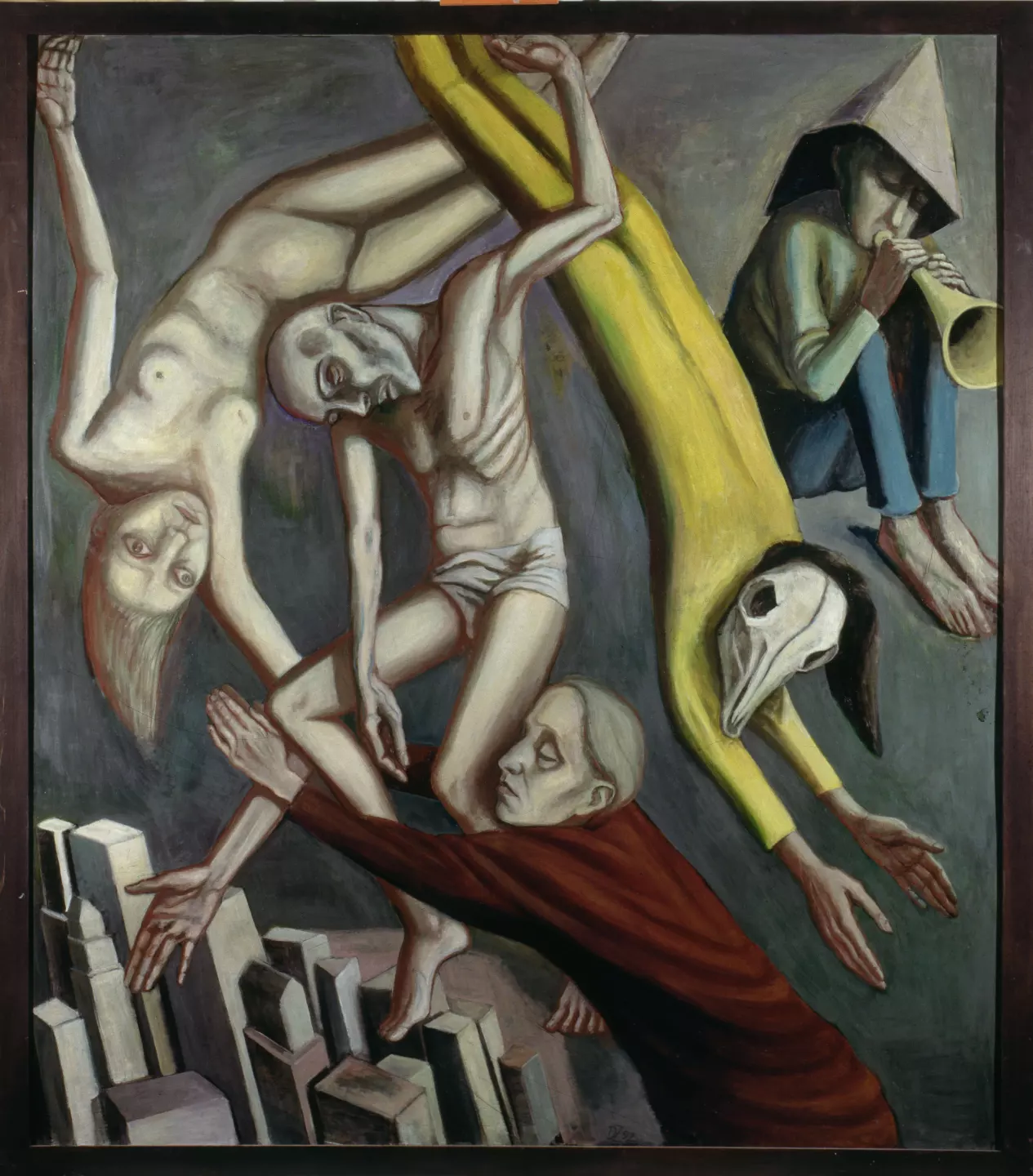 Kreuzabnahme, 1993, 170×150 cm, egg tempera and oil on canvas
Contact us for more information.