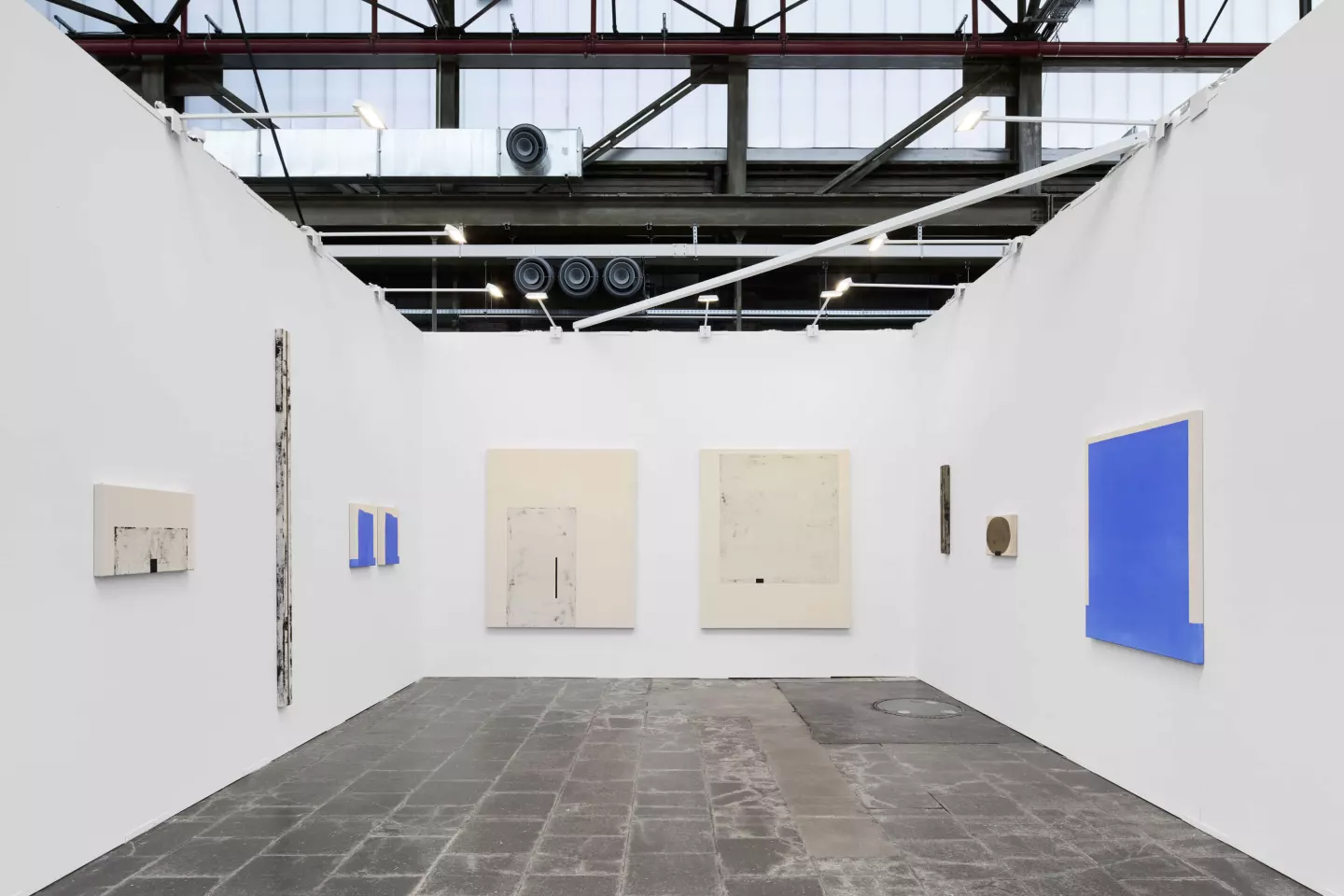
FairArt Düsseldorf 2025
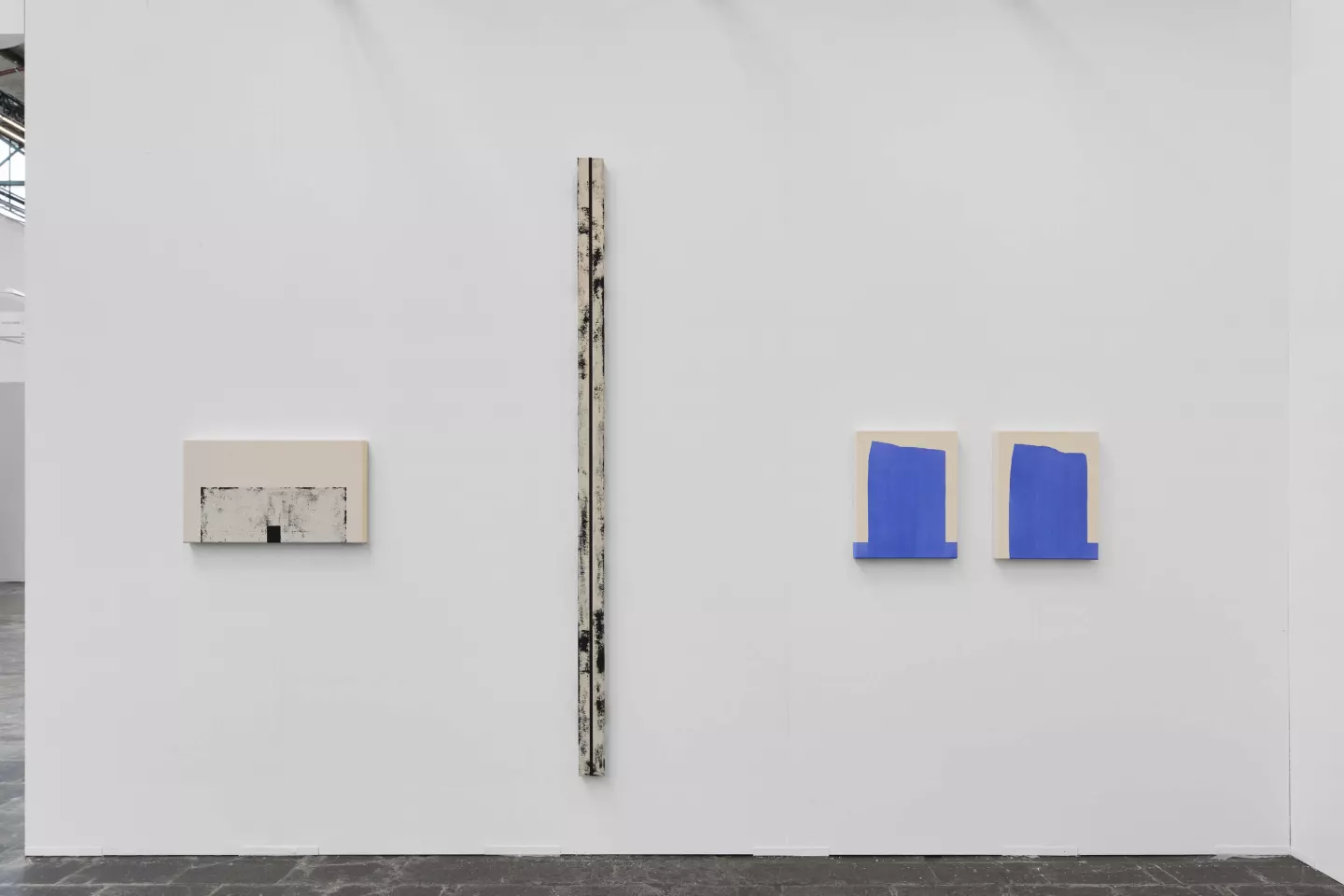
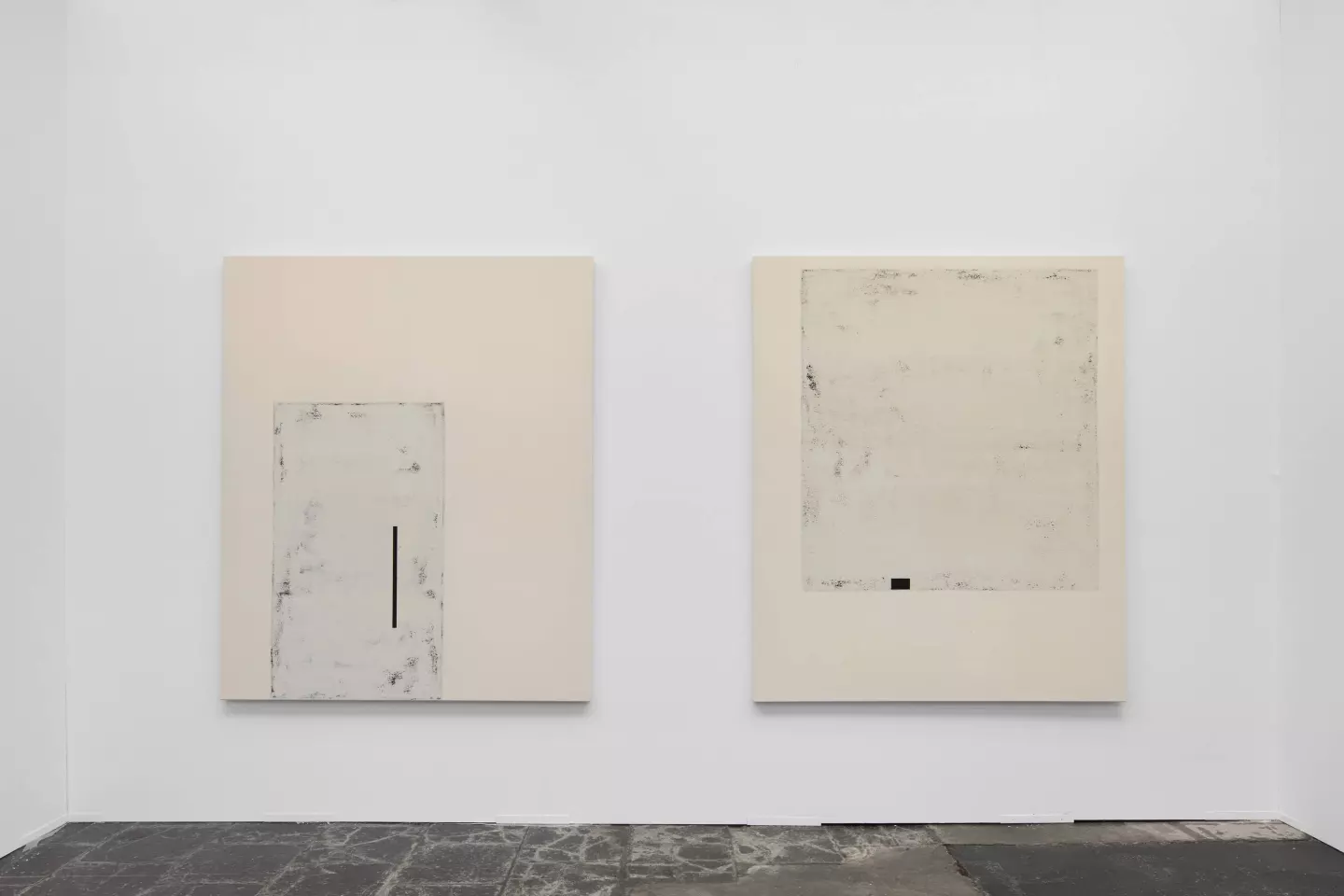
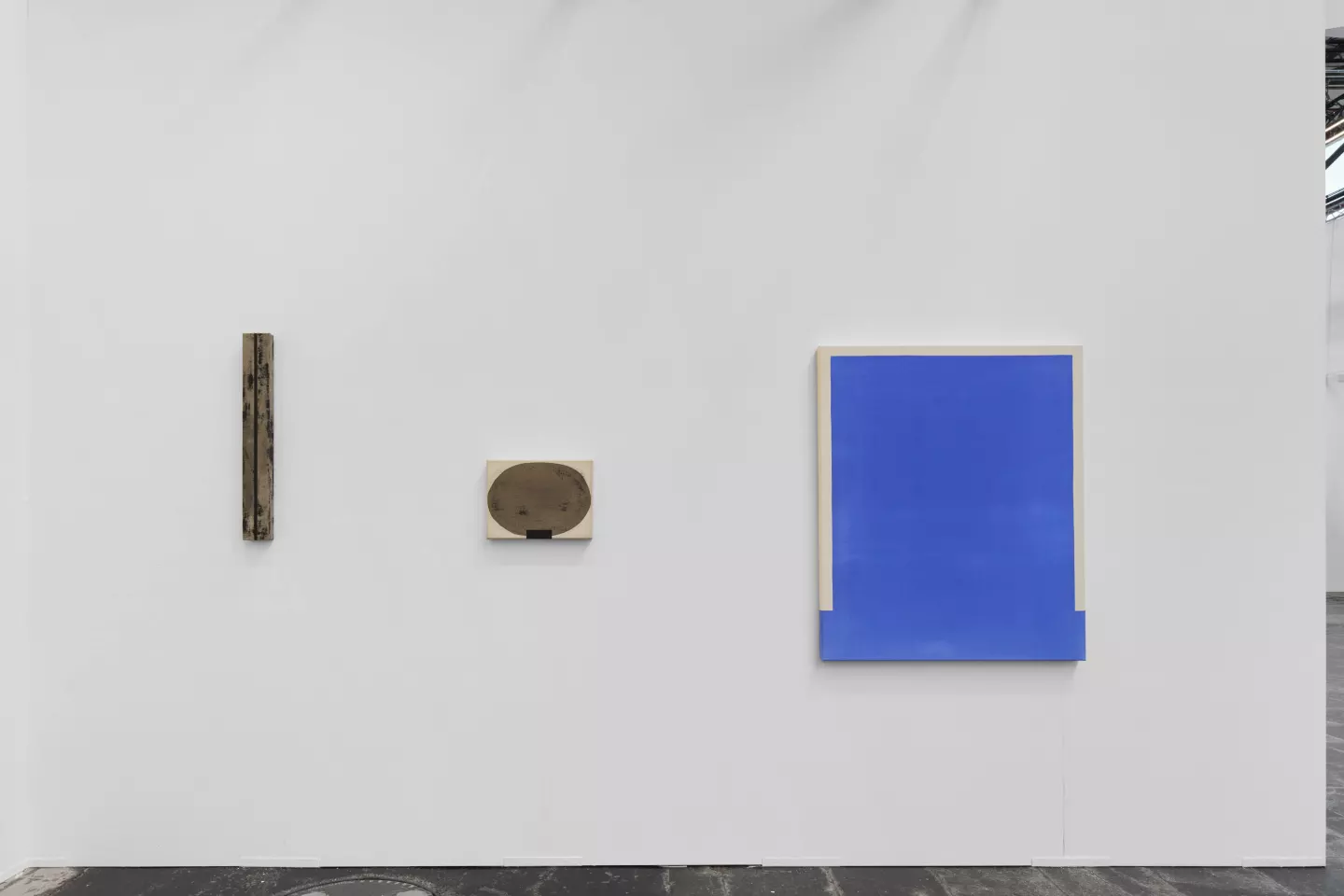
FairArt Düsseldorf 2025
Text by Larissa Kikol
When one does not know what one is seeing, one feels vision most intensely. The view is then clear of what lies ahead: pure, unrestricted, concrete, without prejudice. While knowledge distracts, not knowing leads to concentration in the present moment. It leads to a search.
The kind of search that artists embark upon is always an exciting question—and a complicated one. The dimensions of an artistic search often accompany an entire lifetime, sometimes only partially resolved, postponed, or repeatedly questioned. One of the questions that accompanies Laura Sachs is that of the concrete. How does one arrive at concrete images in painting?
The Duden dictionary defines the word “concrete” as “perceptible as something sensory, tangible,” as well as “definite, precise, given in the moment.” As an illustration, it offers the sentence: “The lake is not a mirage; it is concretely present.” This is an excellent sentence when applied to abstract painting.
Laura Sachs paints non-objective images. Her work can be described as abstract, minimalist and materially driven. As soon as figurative elements appear, narrative associations emerge and the content begins to be read rather than the painting itself. A blue surface then becomes the sea, and the sea stands for a narrative. Depending on the context, it may evoke nature, climate, vastness, escape, or grandeur. If the blue surface simply remains a blue surface, however, it can emerge in its own truth. It is no longer a projection screen for a mirage and no longer needs to be filled with stories. Only in this way can the blue surface become concrete.
To achieve this, figures must be abandoned, as well as overly expressive gestures or compositions that would turn artistic personality or painterly performance into the primary subject. Such reduction must reach precisely that threshold at which an image still emerges, yet no story is told.
Laura Sachs works on this threshold. Sometimes colour is rubbed through the canvas from behind, leaving traces on the front surface. Through pressure, the canvas becomes a kind of sieve. In other works, paintings are held in tension by metal rods. Sachs also works with dust, impurities and rough compositions. Despite their reduction, her works are never sterile. Human traces remain visible throughout.
Among the pioneers of minimalist visual language are artists such as Jo Baer, who understood the empty spaces of the canvas as deliberate placements, and Agnes Martin, whose work demonstrates the passionate repetition of reduction. Laura Sachs likewise works with recurring voids, even when a painting is dominated by fields of blue. This emptiness can be unsettling. Would the viewer not feel safer standing before something tangible, such as a landscape or a portrait?
Emptiness can create tension because it offers no distraction on which the mind can feed. In Buddhist teachings, emptiness is a central concept and, at the same time, one of the most challenging. It is not a form of nihilism but rather an exercise in mindfulness and in enduring states of mental openness. The understanding that mental phenomena are empty reminds us that meaning is attributed rather than inherent, residing neither in the essence of an object nor in ourselves. The mind, too, is a transient and ever-changing interplay of thoughts that can ultimately be released.
In abstract painting—and even more so in the minimalist abstraction of Laura Sachs—this emptiness is sought through a visual language that strives to be as concrete and association-free as possible. The concrete then represents only itself: materials such as metal, dust, linen, colour and form. Yet the decisions that allow a painting to become a specific image inevitably reveal something about the artist. Laura Sachs’s background in philosophy likely informs this approach. Her works are, above all, spaces of possibility—thought-images that, through reduction, create clarity.
Works
-
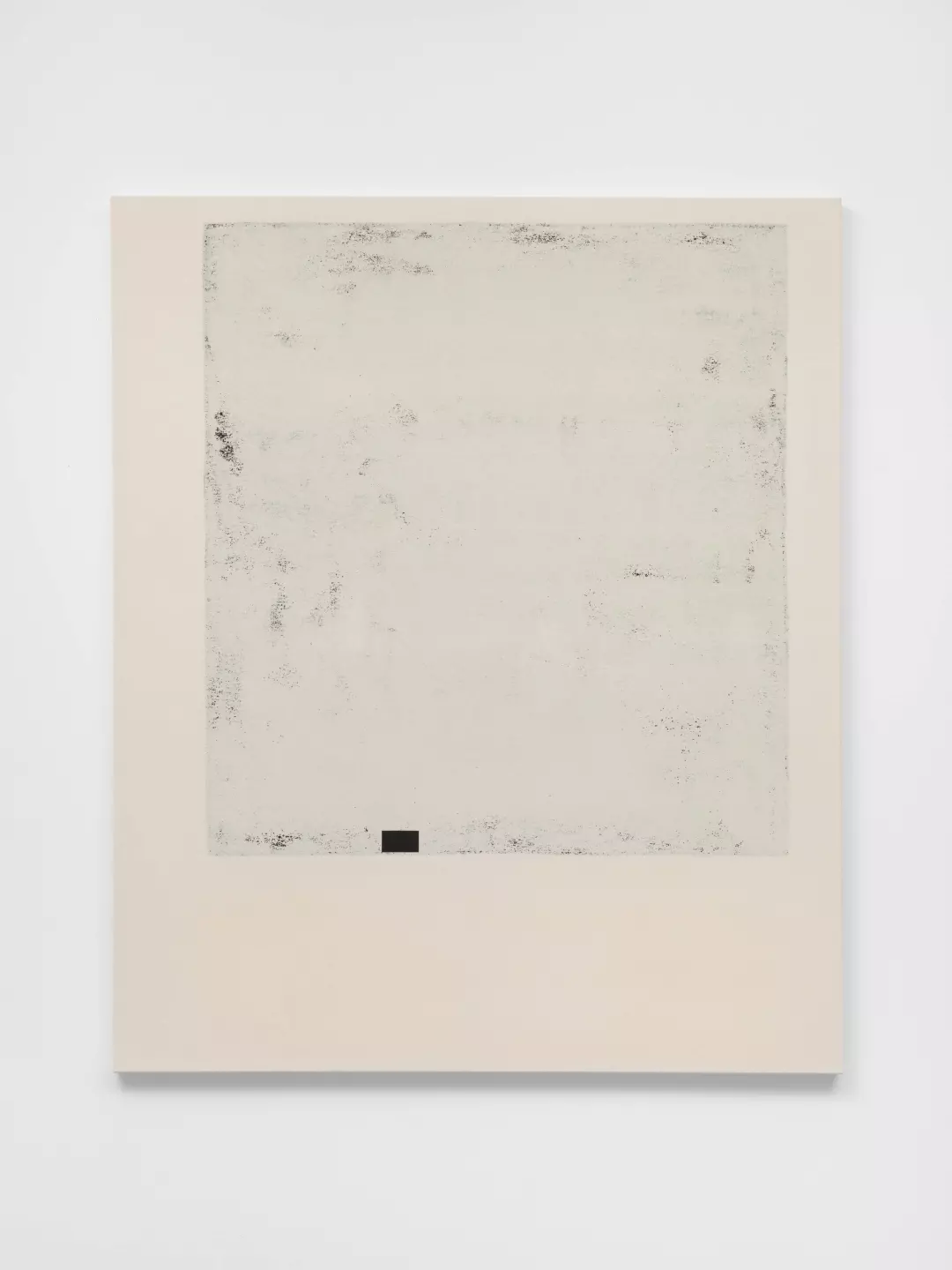 Laura Sachs, Noon (N) 01815 S, 2025, oil and dust on canvas, 180 × 150 cm
 -
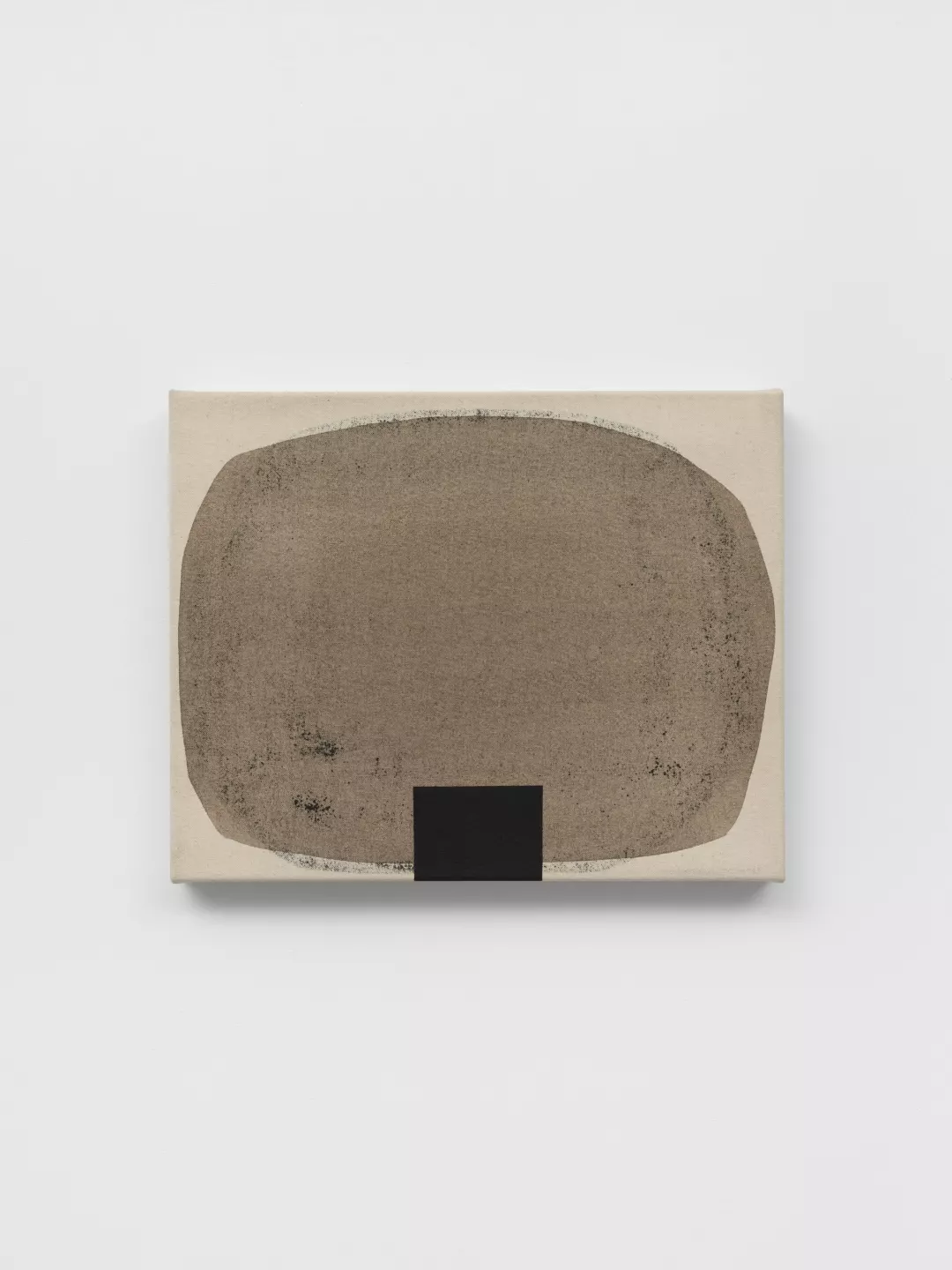 Laura Sachs, Dust 045 S, 2025, oil, acrylic and dust on canvas, 40 × 50 cm
 -
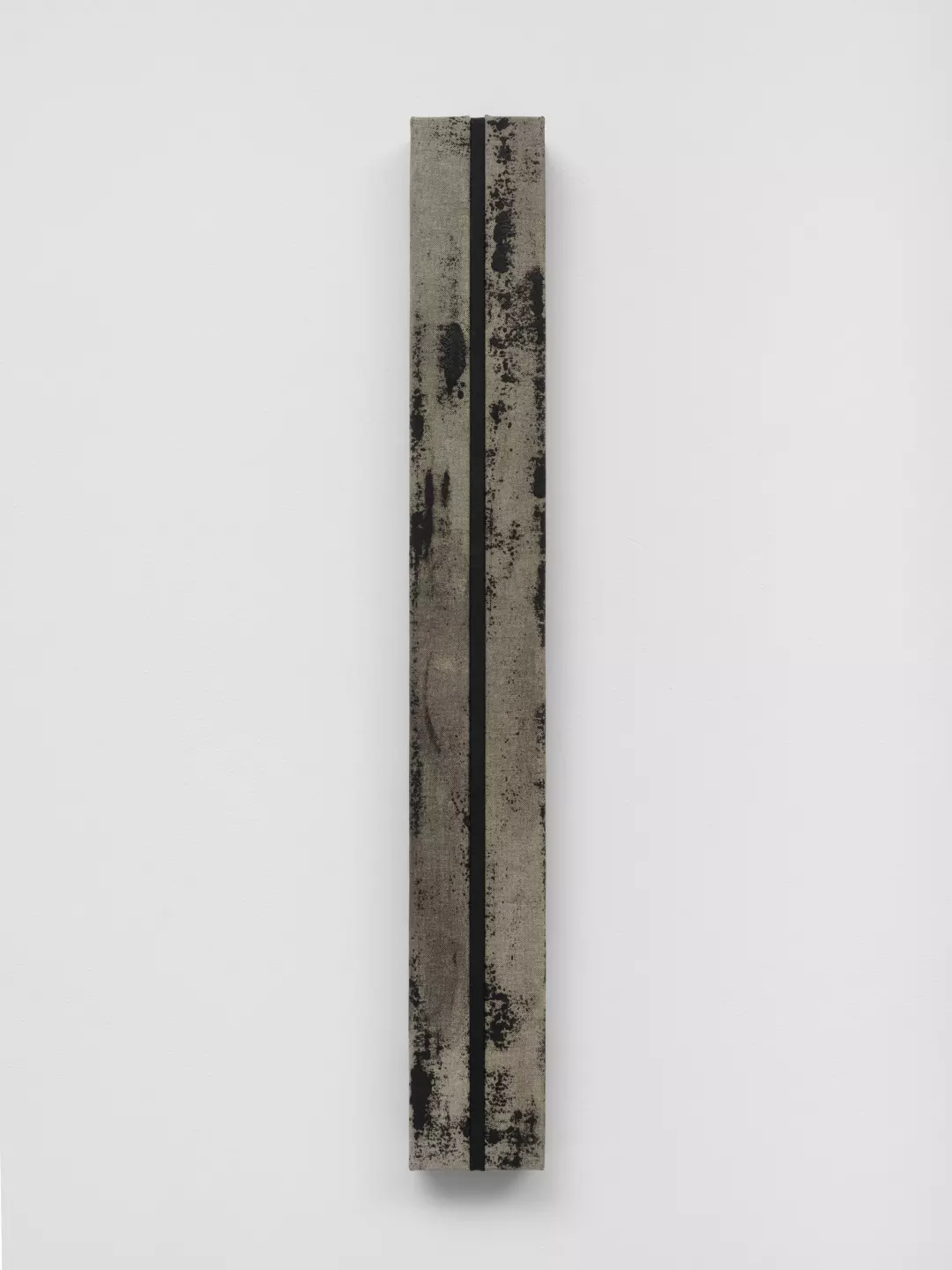 Laura Sachs, II 071 F, 2025, oil and dust on canvas, 78 × 10.5 × 4.5 cm
 -
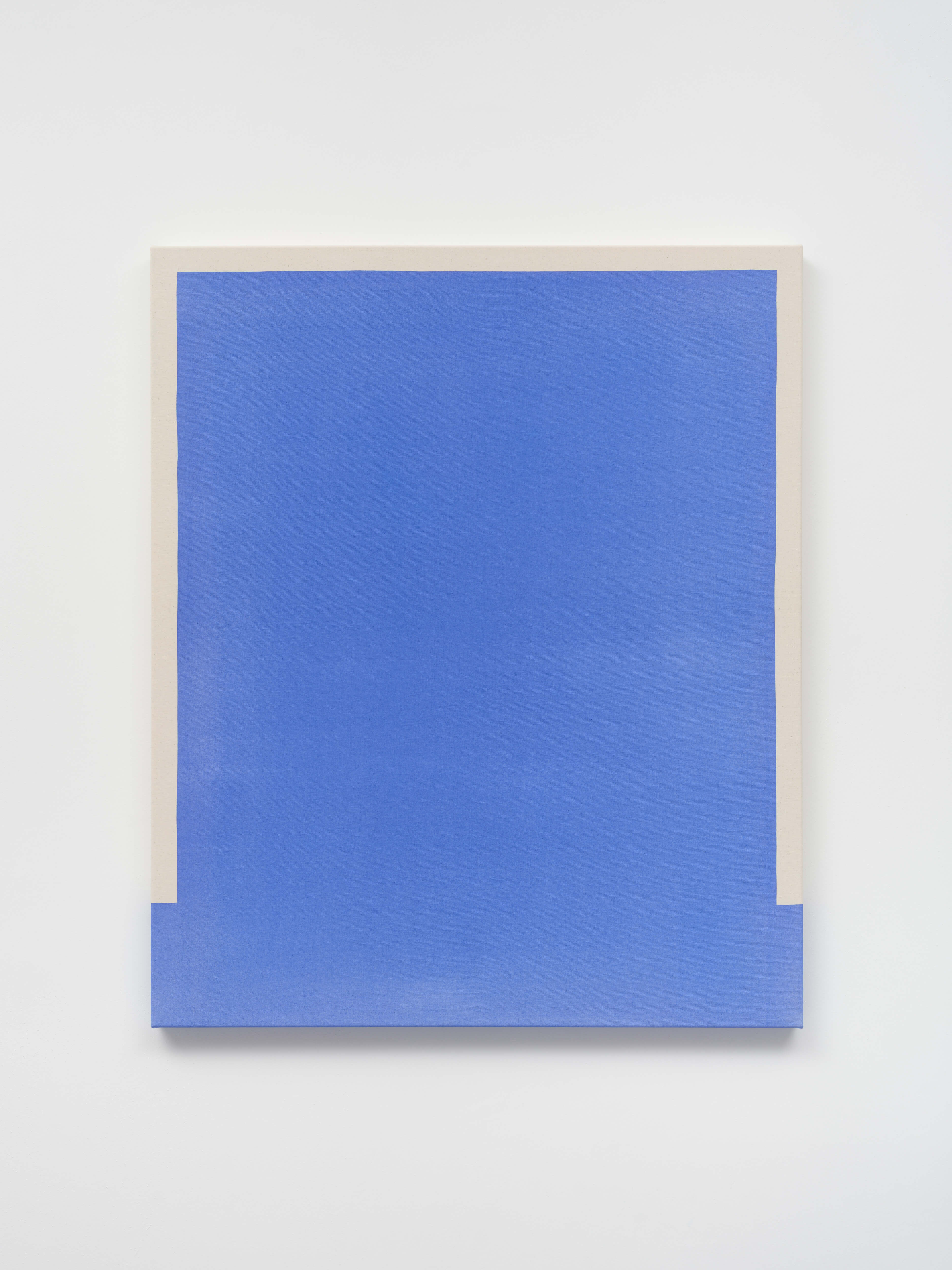 Laura Sachs, Sol (F) 01210 H, 2025, primer and acrylic on canvas, 120 × 100 cm
 -
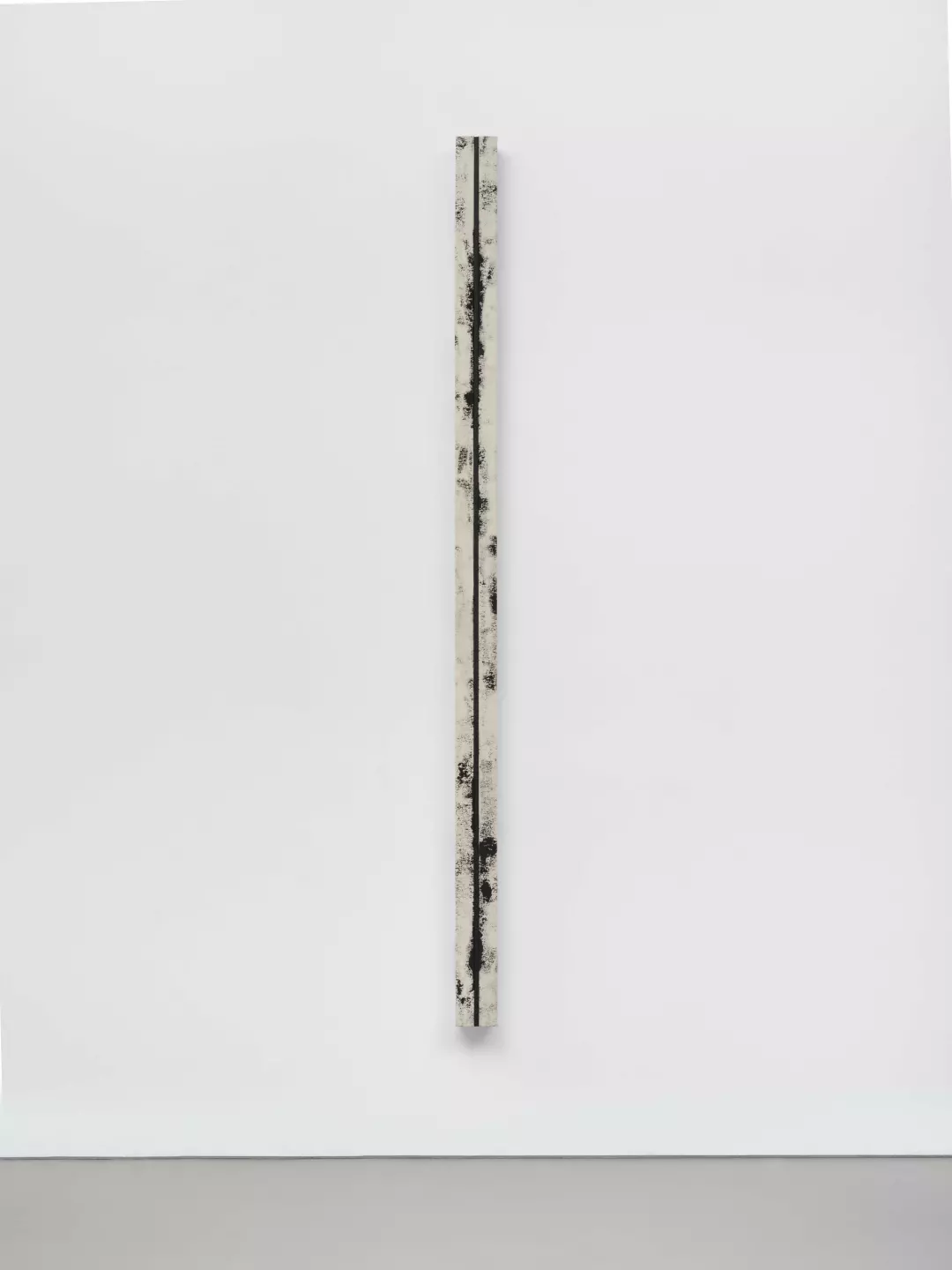 Laura Sachs, II 02110 L, 2025, oil and dust on canvas, 218 × 10.5 × 6.5 cm
Contact us for more information.